This article contains affiliate links. As an Amazon Associate, Inside Decors earns from qualifying purchases — at no extra cost to you.
Affiliate Disclosure: InsideDecors.com is a participant in the Amazon Services LLC Associates Program. We may earn a small commission when you purchase through links on our site, at no additional cost to you. This helps us continue providing quality content.
Transforming your home into a luxurious retreat doesn’t require an unlimited budget or a complete renovation. Through years of working with homeowners and testing design strategies in real spaces, I’ve discovered that luxury is less about price tags and more about intentional choices, quality over quantity, and creating layers of comfort that engage all the senses. Whether you’re working with a studio apartment or a sprawling house, these ten proven secrets will help you craft spaces that feel both elevated and authentically yours.
Key Takeaways
- Start with a detailed plan that includes measurements, traffic flow analysis, and a clear design direction before purchasing anything
- Invest strategically in foundational pieces like sofas and beds that you’ll use daily; save on trendy accessories
- Layer lighting at three levels (ambient, task, accent) to create depth and control mood throughout the day
- Use the 60-30-10 color rule to create sophisticated, cohesive spaces without overwhelming the eye
- Incorporate texture through varied materials—linen, velvet, wood, metal, stone—to add visual richness
- Edit ruthlessly: luxury spaces feel curated, not cluttered; remove 20% more than feels comfortable
- Add architectural details like crown molding, wainscoting, or upgraded door hardware for instant elevation
- Focus on sensory experience beyond visuals: scent, sound absorption, and tactile comfort matter
1. Start with a Comprehensive Design Plan

The single biggest mistake I see homeowners make is shopping before planning. I learned this the hard way when I purchased a beautiful sectional that was 8 inches too long for my living room—an expensive lesson in the importance of preparation.
Define Your Design Direction
Before you browse a single catalog, identify your aesthetic preferences. Are you drawn to the clean lines of modern interior design styles, the warmth of traditional spaces, or the eclectic mix of boho living room decor? Create a digital mood board with 15-20 images that resonate with you, then analyze what they have in common—color palettes, furniture styles, or specific elements like exposed beams or gallery walls.
Measure Everything (Twice)
Grab a laser measure (around $25-40 on Amazon) and document:
– Room dimensions: length, width, ceiling height
– Window and door locations with exact measurements
– Electrical outlet and switch positions
– Architectural features: fireplaces, built-ins, radiators, columns
– Existing furniture you’re keeping
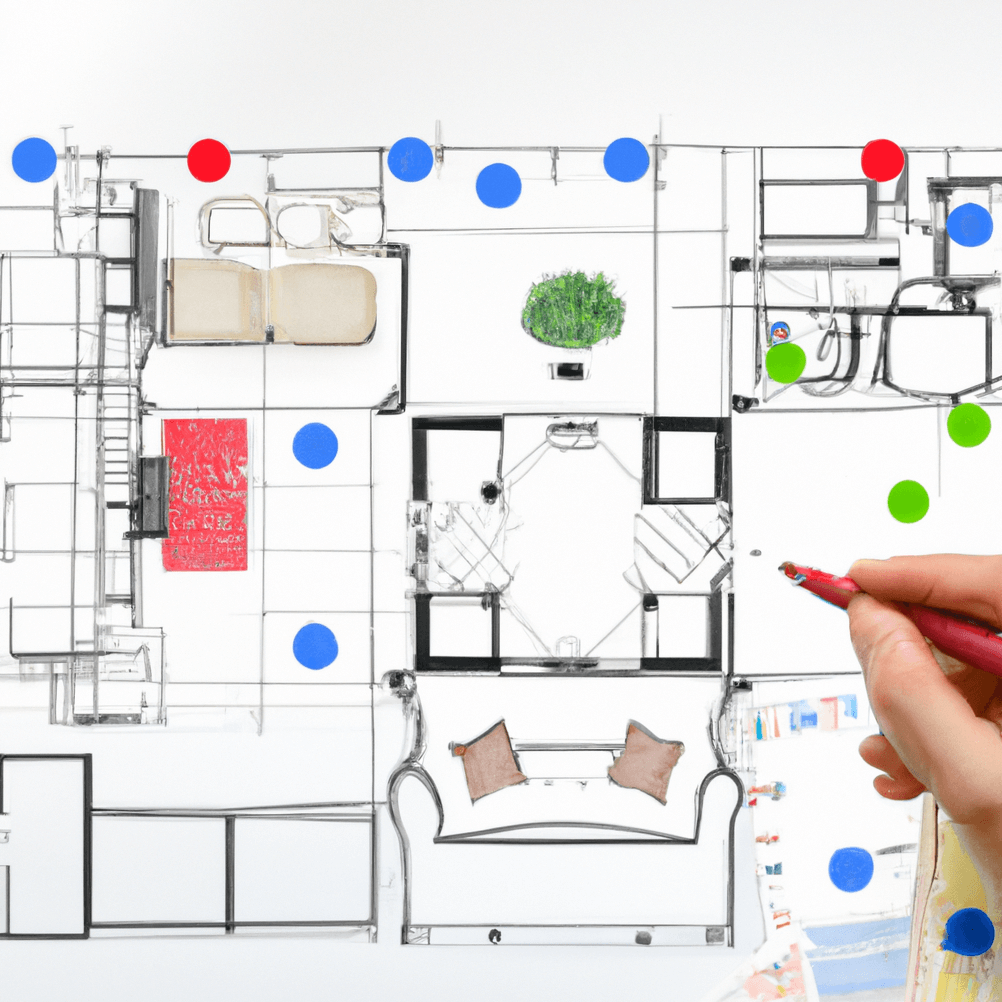
Create a simple floor plan using free tools like RoomSketcher or even graph paper (1 square = 1 foot). This prevents costly mistakes and helps you visualize furniture arrangements before moving a single piece.
Analyze Traffic Flow and Function
Walk through each room and observe natural pathways. High-traffic areas need at least 36 inches of clearance; conversation areas work best with 18 inches between seating and coffee tables. I recommend mapping out your daily routines: where do you drop keys when entering? Where do you sit for morning coffee? Design should support these habits, not fight them.
Consider Natural Light Patterns
Spend a full day observing how light moves through your space. Note which rooms get morning sun versus afternoon light, and where shadows fall. South-facing rooms in the Northern Hemisphere receive the most consistent light; north-facing rooms tend toward cooler, indirect light. This information will guide everything from paint color selection to window treatment choices.
2. Invest in Quality Foundation Pieces

After helping dozens of friends furnish their homes, I’ve seen the same pattern: those who invest in quality foundational furniture are still enjoying those pieces a decade later, while budget purchases get replaced every 2-3 years. The math actually favors quality.
What Qualifies as a Foundation Piece?
- Sofa or sectional: You’ll use it 2-4 hours daily; expect to spend $1,200-3,500 for quality construction
- Bed frame and mattress: One-third of your life happens here; budget $1,500-4,000 combined
- Dining table: A solid wood table lasts generations; $800-2,500 is reasonable
- Upholstered dining chairs: Daily use demands durability; $200-400 per chair for quality
- Primary bedroom dresser: Solid wood with dovetail joints; $600-1,500
Quality Indicators to Look For
When evaluating furniture, examine:
– Frame construction: Hardwood (oak, maple, walnut) over softwood or particle board
– Joinery: Dovetail, mortise-and-tenon, or corner blocks (not just staples or glue)
– Upholstery: 8-way hand-tied springs or high-density foam (2.0+ density rating)
– Fabric durability: Minimum 25,000 double rubs (Wyzenbeek test) for high-use pieces
– Finish quality: Hand-rubbed or catalyzed finishes resist wear better than simple stains
For those searching for quality upholstered furniture, look for brands that specify construction details rather than just style.
The Custom Furniture Advantage
I commissioned a custom sectional in 2021 for $3,200—about 40% more than a comparable retail piece. Three years later, it still looks new, fits my space perfectly, and I chose a performance fabric that has survived red wine, pet accidents, and daily use. Custom isn’t always more expensive when you factor in longevity and perfect fit.
3. Master the Art of Color

Color transforms mood more powerfully than any other design element. I once repainted a north-facing home office from cool gray to warm terracotta, and the space went from feeling like a sterile cubicle to a creative sanctuary—same furniture, same layout, completely different experience.
Apply the 60-30-10 Rule
This proven color distribution formula creates balanced, sophisticated spaces:
- 60% Dominant color: Usually walls, large furniture pieces, or flooring
- 30% Secondary color: Upholstery, curtains, area rugs, accent walls
- 10% Accent color: Throw pillows, artwork, decorative objects, throw pillows
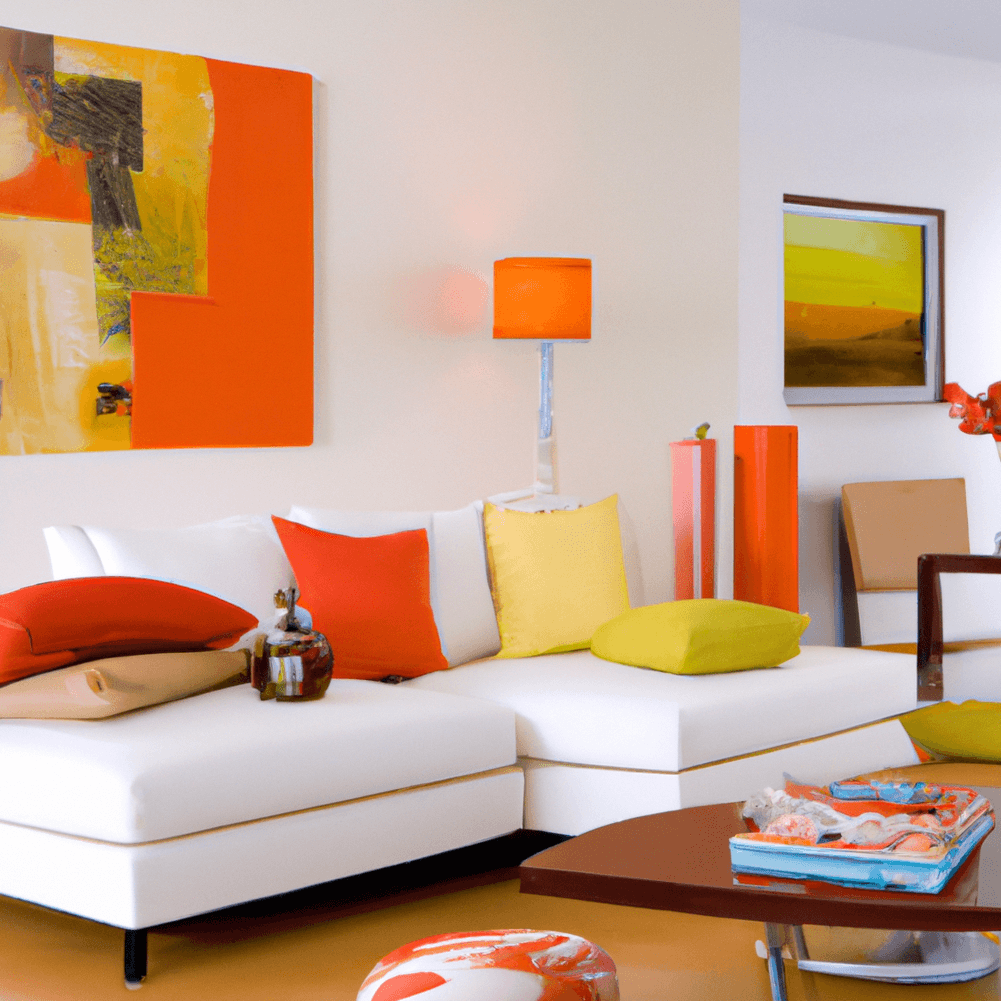
For example, in a living room: 60% soft gray (walls and sofa), 30% navy blue (curtains and armchairs), 10% brass and burnt orange (pillows, lamps, artwork).
Neutral Foundations with Strategic Color
Luxury spaces often feature neutral foundations (whites, grays, beiges, taupes) because they:
– Create a sense of spaciousness and light
– Provide flexibility as your taste evolves
– Allow artwork and accessories to shine
– Feel calming rather than visually demanding
Add personality through:
– Jewel-tone accent chairs or ottomans
– Colorful artwork or gallery walls
– Vibrant textiles like decorative throw pillows or area rugs
– Fresh flowers or plants in colorful containers
Understanding Undertones
This is where most DIYers struggle. Every neutral has an undertone—pink, yellow, green, blue, or gray. I recommend purchasing sample pots and painting 2’x2′ squares on different walls, then observing them at various times of day. A “greige” that looks perfect at noon might turn lavender at dusk if it has cool undertones.
4. Layer Lighting Like a Professional
Single overhead lighting is the hallmark of amateur design. Luxury spaces use multiple light sources at different heights to create depth, flexibility, and ambiance.
The Three Essential Lighting Layers
| Lighting Type | Purpose | Examples | Placement Height | Typical Wattage |
|---|---|---|---|---|
| Ambient | General illumination | Recessed lights, chandeliers, flush-mounts | Ceiling-mounted | 60-100W equivalent per fixture |
| Task | Focused work light | Desk lamps, under-cabinet lights, reading lights | 15-18″ above work surface | 40-75W equivalent |
| Accent | Highlight features | Picture lights, uplights, LED strips | Varies by application | 25-40W equivalent |
Practical Implementation
In a living room, I typically recommend:
– Ambient: Recessed LED downlights on dimmers (4-6 fixtures for a 15’x18′ room)
– Task: Table lamps flanking the sofa (60-75W equivalent each)
– Accent: Picture lights above artwork, LED strip behind TV console, uplights for plants
The key is control: every light source should have its own switch or dimmer. This allows you to create different moods—bright for cleaning, medium for entertaining, low for movie nights.
Color Temperature Matters
- 2700K (warm white): Cozy, intimate; ideal for bedrooms and living areas
- 3000K (soft white): Welcoming but functional; good for kitchens and bathrooms
- 3500-4100K (neutral white): Energizing; best for task lighting and workspaces
I avoid mixing color temperatures within the same room—it creates a disjointed, commercial feeling.
For those upgrading their lighting, modern LED table lamps offer both style and energy efficiency.
5. Create Depth Through Texture and Materials
A monochromatic room can feel incredibly luxurious if it incorporates varied textures. I designed an all-white bedroom that included linen curtains, velvet headboard, cotton percale sheets, wool throw, marble nightstands, and a jute rug—six different textures creating visual interest without color.
Mix Material Categories
Aim for variety across these categories in each room:
Soft textiles:
– Linen (relaxed, natural texture)
– Velvet (luxurious, light-absorbing)
– Silk or faux silk (sheen, elegance)
– Wool (warmth, depth)
– Cotton (crisp, clean)
Hard surfaces:
– Wood (warmth, organic patterns)
– Metal (brass, bronze, steel for contrast)
– Stone or marble (permanence, luxury)
– Glass (transparency, lightness)
– Ceramic or porcelain (artisanal quality)
Practical Texture Layering
In a living room:
1. Start with a textured area rug (wool, jute, or high-pile)
2. Add linen or velvet upholstery
3. Include wood furniture (coffee table, console, shelving)
4. Incorporate metal through lighting fixtures and hardware
5. Layer with varied throw pillows (velvet, linen, faux fur)
6. Finish with stone or ceramic accessories (vases, bowls, sculptures)
The contrast between rough and smooth, matte and shiny, soft and hard creates the visual complexity that defines luxury spaces.
6. Edit Ruthlessly: Less is More Luxurious
The most transformative advice I can offer: remove 20% more than feels comfortable. Luxury is about curation, not accumulation. I once helped a client who had 47 decorative objects on her living room surfaces. We removed 35 of them, and the remaining 12 finally got the attention they deserved.
The Capsule Decor Approach
For each room, identify:
– 3-5 statement pieces: Large artwork, sculptural furniture, significant lighting
– 5-8 supporting elements: Smaller art, plants, books, decorative objects
– Functional necessities: What you actually use daily
Everything else is visual noise. Store seasonal items and rotate them quarterly to keep spaces feeling fresh without adding clutter.
Surface Management Rules
- Coffee tables: 1-3 items maximum (a stack of books, a small plant, a decorative object)
- Nightstands: Lamp, current book, small personal item
- Dining tables: Centerpiece only when not in use for meals
- Shelving: 50% filled, 50% negative space
Negative space isn’t wasted space—it’s what allows the eye to rest and individual pieces to shine.
7. Add Architectural Interest
When I bought my 1990s builder-grade condo, it had flat walls, basic trim, and hollow-core doors. Adding architectural details transformed it from generic to custom without major renovation.
High-Impact Architectural Upgrades
Crown molding ($2-8 per linear foot installed):
– Adds visual height and traditional elegance
– 3.5-5.5″ profiles work in most 8-9′ ceiling rooms
– Paint the same color as ceiling to maximize height
Wainscoting or board-and-batten ($5-12 per square foot DIY):
– Creates dimension on flat walls
– Protects high-traffic areas
– Works in traditional and modern spaces
Door and hardware upgrades:
– Replace hollow-core doors with solid-core ($150-300 per door)
– Upgrade to substantial door hardware ($30-80 per set)
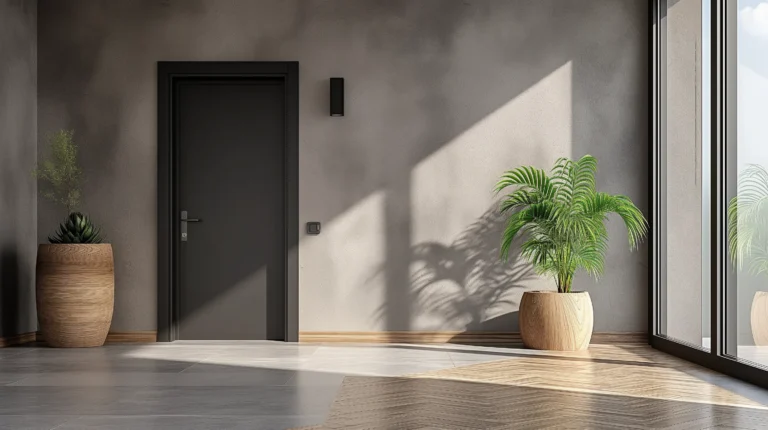
– Consider black interior doors for dramatic contrast
Ceiling treatments:
– Coffered or tray ceilings (professional installation $2,000-5,000)
– Exposed beams (real or faux, $1,500-4,000)
– Painted ceilings in unexpected colors
Window and door trim:
– Increase trim width from standard 2.25″ to 3.5-5.5″
– Add door headers or pediments
– Paint trim in contrasting color for definition
I upgraded all my door hardware to unlacquered brass ($45 per set) and replaced six hollow-core doors with solid-core versions ($180 each). The total investment of $1,350 made a more noticeable impact than any furniture purchase.
8. Invest in Window Treatments
Bare windows or cheap blinds instantly cheapen a space. Proper window treatments control light, provide privacy, improve acoustics, and add softness to hard-edged rooms.
Layering Window Treatments
The luxury approach combines:
1. Functional layer: Roller shades, cellular shades, or shutters for light control and privacy
2. Decorative layer: Curtains or drapery for softness and style
Curtain Installation Secrets
- Mount high: Install rods 2-4″ below the ceiling, not at the window frame
- Extend wide: Rods should extend 8-12″ beyond each side of the window
- Choose proper length: Curtains should kiss the floor or puddle slightly (add 1-2″)
- Fullness matters: Panels should be 2-2.5x the width of the window when gathered
A standard 36″ wide window needs 72-90″ of fabric width (usually two 50″ panels). Skimping on fabric creates skimpy, unfinished-looking curtains.
Fabric Selection
- Linen: Relaxed, natural, filters light beautifully ($40-80 per panel)
- Velvet: Luxurious, excellent light blocking and sound absorption ($60-150 per panel)
- Silk or faux silk: Elegant sheen, formal appearance ($50-120 per panel)
For custom window treatments, measure carefully and consider professional installation for complex windows.
9. Incorporate Art and Personal Collections
Art is the soul of a space—it’s what transforms a showroom into a home. Yet this is where many people freeze, uncertain about what to choose or how to display it.
Art Selection Guidelines
Scale appropriately:
– Artwork above a sofa should be 2/3 to 3/4 the width of the furniture
– In dining rooms, leave 6-8″ between the table and bottom of art
– Large walls (8+ feet) need substantial pieces (36″x48″ minimum) or gallery walls
Create gallery walls with intention:
– Maintain 2-3″ consistent spacing between frames
– Unify with matching frames or mats, or embrace eclectic frames with a color theme
– Plan layout on the floor first, then transfer to wall
– Center the overall arrangement at 57-60″ (gallery standard eye level)
Mix price points:
– Invest in 1-2 original pieces from local artists ($300-2,000)
– Supplement with quality prints ($50-200)
– Include personal photography in professional frames
– Incorporate three-dimensional art (sculptures, textiles, objects)
Personal Collections as Decor
Your collections tell your story. I’ve seen stunning displays of:
– Vintage cameras on floating shelves
– Antique botanical prints in a grid
– Travel souvenirs arranged by color
– Inherited china displayed in a glass-front cabinet
The key is intentional display—not scattered randomly, but grouped, elevated, and properly lit.
10. Engage All Five Senses
True luxury engages more than just vision. The most memorable spaces I’ve designed consider how they sound, smell, feel, and even taste.
Sound: Acoustic Comfort
Hard surfaces (wood floors, tile, glass) create echo and noise. Soften acoustics with:
– Area rugs (especially wool or high-pile)
– Upholstered furniture
– Curtains or drapery
– Acoustic panels disguised as art
– Bookshelves filled with books (excellent sound absorption)
A well-designed room has a quiet, calm acoustic quality—conversations don’t echo, footsteps don’t clatter.
Scent: Olfactory Ambiance
I use different scents in different rooms:
– Living areas: Subtle woody or herbal scents (sandalwood, cedar, lavender)
– Kitchen: Clean citrus or herb scents (lemon, basil, mint)
– Bedroom: Calming florals or vanilla (jasmine, chamomile, warm vanilla)
– Bathroom: Fresh, spa-like scents (eucalyptus, sea salt, white tea)
Avoid synthetic air fresheners; invest in quality reed diffusers, essential oil diffusers, or natural candles ($25-60 for quality options).
Touch: Tactile Luxury
Every surface someone touches should feel intentional:
– Upgrade door hardware to substantial metal (not lightweight hollow brass)
– Choose quality bedding (300+ thread count, natural fibers)
– Select plush bath towels (600+ GSM weight)
– Add soft throws within reach of seating
– Consider heated floors in bathrooms ($12-15 per square foot)
Taste and Hospitality
Luxury homes make guests feel welcomed:
– Keep a beverage station stocked (coffee, tea, water)
– Provide fresh flowers or plants
– Maintain a signature scent
– Offer comfortable seating in every room
– Create conversation areas that encourage connection
Bringing It All Together: A Room-by-Room Approach
Let me walk you through how these principles work in practice, using a living room transformation I completed in 2024.
Starting point: 15’x18′ room, builder-grade everything, north-facing windows, beige walls, brown carpet.
The plan:
1. Replaced carpet with engineered oak flooring ($4,200)
2. Painted walls in warm white with subtle gray undertone ($180 DIY)
3. Added 4.5″ crown molding ($650 installed)
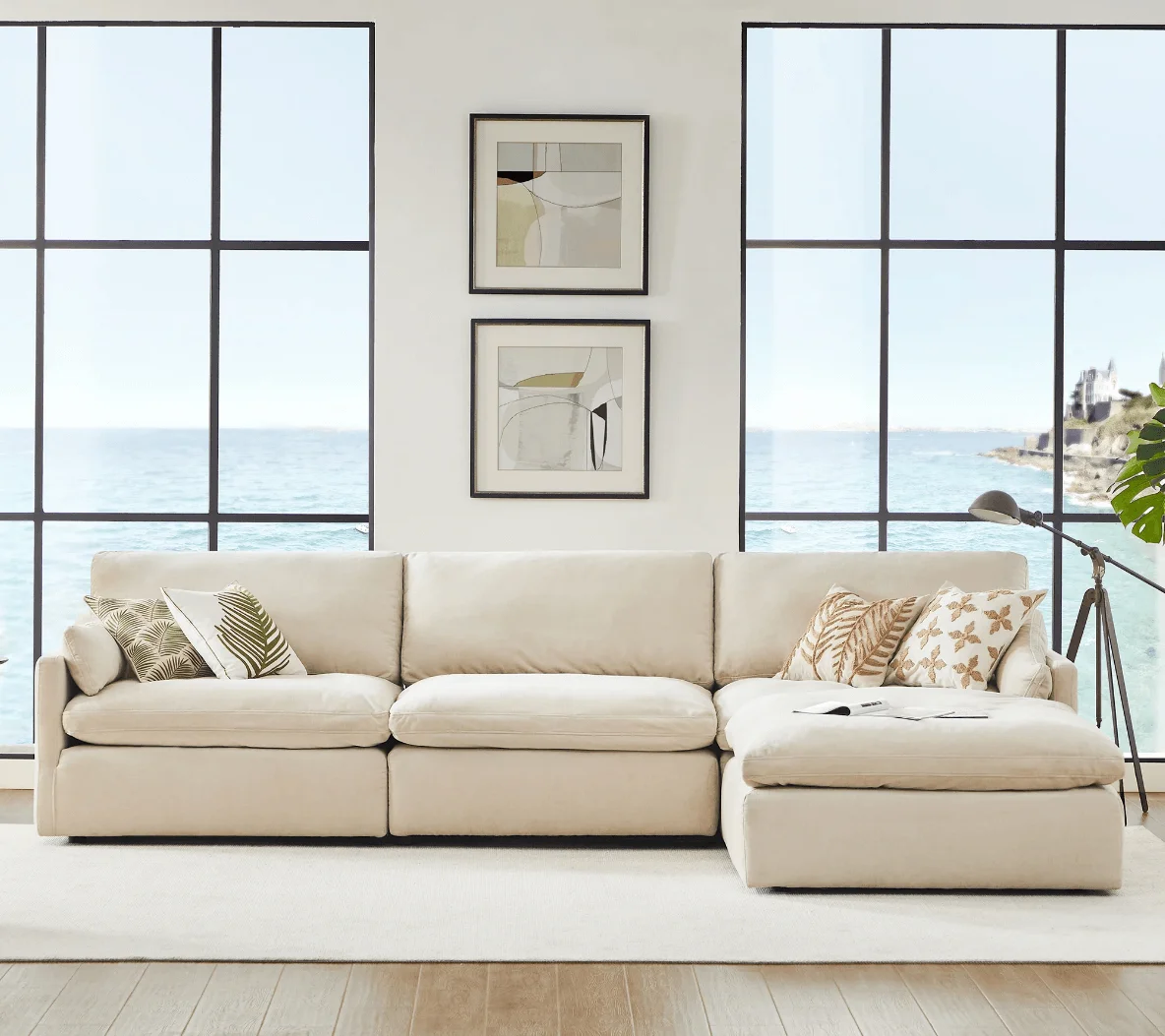
4. Invested in quality sectional with performance linen ($2,800)
5. Layered lighting: 4 recessed LEDs, 2 table lamps, 1 floor lamp ($1,100 total)
6. Hung linen curtains ceiling-to-floor ($320 for fabric and rods)
7. Added wool area rug in navy and cream ($680)
8. Curated 12 decorative objects (down from 30+): plants, books, ceramics
9. Created gallery wall with 8 pieces mixing original art and prints ($850)
10. Upgraded door hardware and replaced hollow door ($280)
Total investment: $11,060 over 8 months
Result: A space that feels custom, collected, and genuinely luxurious—and will remain beautiful for 10+ years with minimal updates.
Common Mistakes to Avoid
After years of design work, I see these mistakes repeatedly:
Pushing furniture against walls: Float furniture to create intimate conversation areas and improve traffic flow.
Ignoring scale: Tiny furniture in large rooms looks lost; oversized pieces in small rooms feel oppressive. Measure and visualize before purchasing.
Matching everything: Perfectly matched furniture sets look catalog-generic. Mix wood tones, styles, and eras for collected sophistication.
Overhead lighting only: Creates harsh shadows and flat, unflattering light. Always layer lighting sources.
Trendy over timeless: Trends fade quickly. Build your foundation with timeless pieces; add trends through easily changed accessories.
Neglecting the ceiling: The “fifth wall” deserves attention—paint it, add architectural details, or install interesting lighting.
Skipping the plan: Impulse purchases rarely work together cohesively. Plan first, shop second.
Shop This Look
Editor-picked finds to bring this style home:
- Velvet Tufted Ottoman →Adds a touch of opulence and serves as versatile extra seating or a chic coffee table.
- Marble Accent Table →Elevates any space with its sophisticated material and timeless, elegant aesthetic.
- Cashmere Throw Blanket →Provides unparalleled softness and a luxurious tactile experience, perfect for cozying up.
- Sculptural Ceramic Vase →Introduces artistic flair and a refined focal point, even without flowers.
As an Amazon Associate we earn from qualifying purchases.
Frequently Asked Questions
How much should I budget to make my home feel luxurious?
Luxury is about quality and intention, not total spend. I’ve seen $5,000 transform a single room dramatically when invested strategically: $2,000 for one excellent sofa, $1,200 for lighting, $800 for window treatments, $600 for art, and $400 for accessories. Focus on one room at a time, prioritize pieces you’ll use daily, and build over months or years rather than furnishing everything at once. A phased approach with quality pieces beats filling every room quickly with mediocre furniture.
What’s the single most impactful change I can make on a limited budget?
Paint and lighting deliver the most dramatic transformation for the least investment. A gallon of quality paint costs $40-70 and can completely change a room’s mood in a weekend. Pair that with updated lighting—replace builder-grade fixtures with statement pieces ($80-200 each) and add table lamps for layering ($50-100 each)—and you’ve created a new space for under $500. These changes affect how you experience the room every single day.
How do I choose a color palette when I like too many colors?
Start with one piece you love and won’t change—an heirloom rug, existing sofa, or favorite artwork. Pull 3-4 colors from that piece and apply the 60-30-10 rule. If you’re starting from scratch, look at your wardrobe: the colors you wear successfully often translate well to your home. Create a physical sample board with paint chips, fabric swatches, and material samples to see how colors interact in your actual lighting before committing. Remember, you can always add color through easily changed accessories while keeping walls and large furniture neutral.
Should I hire an interior designer or do it myself?
This depends on your budget, timeline, and confidence level. DIY works well when you have time to research, make mistakes, and course-correct. A designer’s value lies in preventing expensive errors, accessing trade discounts (often 20-40% off retail), and creating cohesive spaces faster. Consider a hybrid approach: hire a designer for a 2-3 hour consultation ($200-500) to create a plan and source list, then implement it yourself. This gives you professional direction while controlling costs. For whole-home renovations or if you’re truly stuck, full-service design ($3,000-15,000+ depending on scope) can actually save money by avoiding costly mistakes.
How can I make a small space feel luxurious instead of cramped?
Small spaces demand more discipline, not less investment. Use these strategies: (1) Choose fewer, better pieces—one excellent sofa beats a sofa plus two mediocre chairs. (2) Embrace vertical space with floor-to-ceiling curtains, tall bookcases, and wall-mounted lighting. (3) Use large-scale art rather than many small pieces. (4) Keep a consistent color palette to create visual flow. (5) Invest in custom or multi-functional furniture that fits precisely. (6) Add mirrors strategically to reflect light and create depth. (7) Edit ruthlessly—clutter is luxury’s enemy, especially in small spaces. A 400-square-foot studio with 10 perfect pieces feels more luxurious than a 2,000-square-foot house filled with mediocre furniture.
How do I mix different design styles without creating chaos?
Successful style mixing requires a unifying element—usually color palette, material, or era. For example, you can mix modern and traditional if you maintain a consistent color story (all neutrals with brass accents) or material palette (all warm woods and natural fibers). The 80/20 rule helps: choose one dominant style for 80% of the room, then add 20% from other styles for interest. Avoid mixing more than two distinct styles in one room. Transitional design—which blends traditional and contemporary—offers a middle ground that accommodates diverse pieces. When in doubt, let one bold piece be the rule-breaker and keep everything else cohesive.
Your Next Steps: Creating Your Luxurious Retreat
Transforming your home into a luxurious retreat is a journey, not a destination. Start with these immediate actions:
This week: Measure your primary living space and create a basic floor plan. Identify your design style by creating a mood board with 15-20 inspiring images.
This month: Choose one room to focus on first—typically the room where you spend the most time. Develop a complete plan including color palette, furniture needs, and lighting strategy. If you’re looking for guidance on creating cohesive spaces, explore our guide on making your home look expensive on a budget.
This quarter: Make your first major investment in a quality foundation piece. Whether it’s a timeless sofa or a beautiful bed, choose something you’ll use daily and will last for years.
This year: Complete one room fully before moving to the next. A single finished, cohesive room is more satisfying and functional than six partially completed spaces.
Remember, luxury isn’t about perfection or expense—it’s about creating spaces that support your life beautifully, reflect your authentic style, and bring you genuine joy every time you walk through the door. Start small, invest wisely, and build your retreat one intentional choice at a time.
For more guidance on foundational design principles, visit our comprehensive guide to the 7 principles of interior design, and if you’re specifically focused on bathroom upgrades, don’t miss our article on choosing the right bathroom fittings.
Your luxurious retreat awaits—not in some distant future when you have more money or a bigger home, but right now, in the space you already have, with choices you can make today.