
This article contains affiliate links. As an Amazon Associate, Inside Decors earns from qualifying purchases — at no extra cost to you.
By Inside Decors · Updated January 15, 2026
Biophilic design transforms living spaces by reconnecting us with nature through strategic use of natural light, organic materials, living plants, and nature-inspired patterns. This comprehensive guide shows you exactly how to incorporate these elements into your home, room by room, with practical examples, budget considerations, and real-world trade-offs.
Key Takeaways
- Biophilic design reduces stress by 15-30% and improves air quality through strategic placement of plants, natural materials, and maximized daylight
- Start small: Even 3-5 well-placed houseplants and one natural material swap can create measurable impact
- Budget range: $50-$500 for beginner implementations; $2,000-$15,000 for comprehensive renovations including living walls or water features
- Best for: Anyone seeking improved mental well-being, better sleep quality, or enhanced home air quality
- Key elements: Natural light optimization, indoor plants (minimum 1 per 100 sq ft), natural materials (wood, stone, bamboo), and nature-inspired color palettes
What Is Biophilic Design and Why It Matters

Biophilic design is an evidence-based approach that integrates natural elements into built environments to satisfy our innate biological need to connect with nature. The term “biophilia,” coined by biologist E.O. Wilson in 1984, literally means “love of life” — and this design philosophy leverages that connection to create healthier, more productive spaces.
Unlike simply adding a few potted plants, true biophilic design considers how natural light flows through rooms, how materials feel under your hands, how colors affect your mood, and how spatial layouts can mimic the refuge-and-prospect patterns found in natural landscapes. Research from the Human Spaces report (2015) found that employees in environments with natural elements reported 15% higher well-being scores and 6% higher productivity levels.
The Evolution of Biophilic Design
While the term is relatively modern, humans have always sought to bring nature indoors. The Hanging Gardens of Babylon (600 BCE) represented one of the earliest large-scale biophilic projects. Roman villas featured central atriums with gardens and water features. Japanese architecture has incorporated natural materials and garden views for centuries.
The industrial revolution created a sharp divide between nature and daily life, particularly in urban centers. By the mid-20th century, architects like Frank Lloyd Wright began advocating for “organic architecture” that harmonized buildings with their natural surroundings. Today, as we spend 90% of our time indoors and face mounting environmental challenges, biophilic design has evolved from aesthetic preference to wellness necessity.
Core Benefits Backed by Research
Mental Health: Studies from the University of Melbourne found that even a 40-second “micro-break” viewing nature can improve focus and reduce mental fatigue. Homes with biophilic elements show 30% lower cortisol (stress hormone) levels among occupants.
Physical Health: NASA’s Clean Air Study demonstrated that certain houseplants remove up to 87% of air toxins within 24 hours. Natural light exposure regulates circadian rhythms, improving sleep quality by an average of 46 minutes per night.
Cognitive Performance: Research published in the Journal of Environmental Psychology found that students in classrooms with views of nature scored 10-25% higher on tests of concentration and memory.
Economic Value: Homes with biophilic features command 4-8% higher resale values, according to real estate market analysis from 2024-2025.
Essential Biophilic Design Elements for Your Home

Natural Light: Your Most Powerful Tool
Natural light is the foundation of biophilic design. Before investing in plants or materials, optimize your existing windows and consider these strategies:
Window treatments: Replace heavy curtains with sheer linen or bamboo shades that filter rather than block light. Cost: $30-$150 per window.
Mirror placement: Position mirrors opposite windows to bounce light deeper into rooms. A 36″ mirror can effectively double perceived natural light in spaces up to 200 sq ft.
Skylights and solar tubes: For rooms with limited wall windows, skylights ($800-$2,500 installed) or solar tubes ($300-$700 installed) bring overhead natural light. Best for: bathrooms, hallways, and interior rooms.
Glass interior doors: Replacing solid interior doors with glass-paneled or fully glazed options allows light to flow between rooms. This approach works particularly well with black interior doors with glass panels, which provide both light transmission and contemporary style.
Trade-off consideration: More natural light means more UV exposure, which can fade fabrics and artwork. Use UV-filtering window film ($2-$8 per sq ft) on south-facing windows.
Indoor Plants: Choosing the Right Varieties
Not all plants deliver equal biophilic benefits. Here’s what actually works:
Air-purifying powerhouses (NASA-verified):
– Snake Plant (Sansevieria): Removes formaldehyde and benzene; thrives on neglect; $15-$40
– Pothos: Removes formaldehyde, xylene, and benzene; grows in low light; $10-$25
– Peace Lily: Removes ammonia, benzene, formaldehyde; blooms indoors; $20-$50
– Spider Plant: Removes formaldehyde and xylene; produces offshoots; $8-$20
Placement strategy: Aim for 1 plant per 100 square feet of living space. For a 1,500 sq ft home, 12-15 plants of varying sizes create measurable air quality improvement.
Size matters: One large floor plant (6-8 ft tall, $80-$200) has more visual and psychological impact than three small desk plants. Mix scales: 2-3 large statement plants, 4-6 medium plants, and 6-8 small accent plants.
Maintenance reality: If you travel frequently or forget to water, stick with drought-tolerant varieties like ZZ plants, snake plants, and succulents. High-maintenance ferns and calatheas require daily attention.
Budget approach: Buy small 4″ pots ($5-$12 each) and let them grow rather than purchasing mature plants. A $50 investment in starter plants can create a $300 collection within 18 months.
Living Walls: When They Make Sense
Living walls (vertical gardens) represent the pinnacle of indoor biophilic design, but they’re not for everyone.
Cost reality: Professional installation ranges from $150-$300 per square foot. A modest 4′ x 6′ living wall costs $3,600-$7,200 installed, plus $50-$100 monthly maintenance.
DIY alternative: Modular pocket systems start at $200-$500 for a 3′ x 4′ wall. Expect 4-6 hours installation time and weekly watering.
Best for: High-ceiling entryways, dining room accent walls, or home offices where the visual impact justifies the investment. Not recommended for bedrooms (excess humidity) or low-light spaces.
Maintenance commitment: Living walls require weekly watering, monthly fertilizing, quarterly pruning, and annual replanting of 20-30% of plants. Factor in 2-3 hours monthly maintenance or $75-$150 monthly for professional service.
Natural Materials: Strategic Swaps
You don’t need to renovate everything. Strategic material swaps create significant biophilic impact:
High-impact changes:
– Wood flooring or wood-look luxury vinyl: Replaces carpet or tile; $3-$12 per sq ft installed
– Stone countertops: Granite, quartz, or soapstone in kitchens/bathrooms; $40-$100 per sq ft installed
– Bamboo window treatments: Replace vinyl blinds; $50-$200 per window
– Jute or sisal area rugs: Replace synthetic rugs; $150-$800 for 8′ x 10′
Budget-friendly swaps:
– Wood cutting boards and serving pieces: Replace plastic; $25-$80
– Stone or ceramic planters: Replace plastic pots; $15-$60 each
– Linen or cotton textiles: Replace polyester curtains and throw pillows; $20-$80 per item
– Rattan or wicker baskets: For storage; $15-$50 each
Material authenticity matters: Faux plants and plastic “wood-look” items don’t deliver the same psychological benefits as authentic natural materials. Our brains recognize the difference, even subconsciously.
Water Features: Sound and Movement
Water adds dynamic sensory elements that static plants and materials cannot.
Tabletop fountains: $40-$150; ideal for desks, nightstands, or bathroom counters. Provide white noise that masks urban sounds and creates meditative ambiance.
Floor fountains: $200-$800; work well in entryways or living rooms. Require weekly water refills and monthly cleaning.
Outdoor water features: $500-$5,000+; visible from interior windows, they extend biophilic benefits without indoor maintenance concerns.
Trade-off: Water features require regular cleaning (weekly to monthly) to prevent algae and mineral buildup. They also increase humidity, which benefits dry climates but can be problematic in already-humid regions.
Nature-Inspired Colors and Patterns
Color psychology plays a crucial role in biophilic design. Understanding complementary colors helps create balanced, nature-inspired palettes.
Effective color strategies:
– Forest greens and sage: Calming, restorative; ideal for bedrooms and bathrooms
– Ocean blues and aquas: Cooling, peaceful; work well in home offices and living rooms
– Earthy terracottas and warm browns: Grounding, comforting; excellent for dining rooms and kitchens
– Soft creams and warm whites: Neutral base that reflects natural light
Pattern integration:
– Botanical prints: Wallpaper accent walls ($50-$200 per roll) or framed botanical prints ($30-$150 each)
– Organic textures: Grasscloth wallpaper, wood plank walls, or stone veneer
– Fractal patterns: Nature’s repeating patterns (found in ferns, shells, trees) reduce stress by up to 60% according to University of Oregon research
Room-by-Room Biophilic Design Implementation

Living Room: Creating Your Nature Sanctuary
Priority elements:
1. Maximize window views: Arrange seating to face windows or garden views
2. Large statement plant: 6-8 ft fiddle leaf fig, bird of paradise, or monstera ($80-$250)
3. Natural coffee table: Live-edge wood or stone top ($300-$1,200)
4. Layered lighting: Combine natural light with warm LED bulbs (2700-3000K) that mimic sunset tones
Budget implementation ($200-$500):
– 3-4 medium plants in ceramic pots
– Jute area rug (8′ x 10′)
– Botanical print throw pillows (4-6)
– Bamboo or wood picture frames for nature photography
Premium implementation ($2,000-$5,000):
– Living wall accent (4′ x 6′)
– Solid wood media console or shelving
– Stone or wood coffee table
– Linen curtains with blackout lining
– Professional plant styling with 8-10 varied specimens
Specific example: A 300 sq ft living room benefits from one 7-ft tree, three 3-4 ft floor plants, and four 12-18″ tabletop plants, creating visual layers that mimic forest understory structure.
Bedroom: Optimizing for Rest and Restoration
Priority elements:
1. Blackout capability with daytime light: Layered window treatments that provide both
2. Air-purifying plants: Snake plants or pothos (release oxygen at night)
3. Natural fiber bedding: Organic cotton, linen, or bamboo ($100-$400 for sheet sets)
4. Wood furniture: Solid wood bed frame and nightstands
Avoid in bedrooms:
– Excessive plants (more than 3-4) that increase nighttime humidity
– Water features (can disrupt sleep with noise)
– Bright greens (use soft sage or blue-greens instead)
Budget implementation ($150-$400):
– 2 snake plants in ceramic pots
– Bamboo or linen duvet cover
– Wood-framed mirror
– Nature photography or botanical prints
Color strategy: Soft blues, greens, and warm neutrals promote melatonin production. Avoid bright whites or cool grays that can feel clinical.
Kitchen: Functional Biophilic Design
Priority elements:
1. Herb garden: Window-mounted or countertop; provides fresh herbs and living greenery ($30-$100)
2. Natural countertops: Stone, butcher block, or wood ($40-$100 per sq ft)
3. Wood cutting boards and utensils: Replace plastic ($50-$150 total)
4. Open shelving with plants: Combines storage with greenery display
Practical considerations: Kitchen plants must tolerate temperature fluctuations and occasional cooking smoke. Best choices: pothos, spider plants, herbs, and succulents.
Budget implementation ($100-$300):
– Countertop herb garden with 4-6 herbs
– Wood cutting boards (2-3 sizes)
– Ceramic or stone utensil holder
– 2-3 small pothos or spider plants on open shelving
Premium implementation ($1,500-$4,000):
– Butcher block or stone countertop replacement
– Wood open shelving installation
– Under-cabinet grow lights for herbs ($100-$300)
– Stone or ceramic backsplash with organic patterns
Bathroom: Spa-Like Biophilic Retreat
Bathrooms offer unique biophilic opportunities due to naturally high humidity that many plants love.
Priority elements:
1. Humidity-loving plants: Ferns, orchids, air plants ($15-$50 each)
2. Natural stone or wood elements: Even small touches like stone soap dishes ($20-$40)
3. Bamboo bath accessories: Toothbrush holders, tissue boxes, storage ($15-$60 each)
4. Natural light: Frosted windows or skylights for privacy with daylight
When selecting bathroom fittings, consider brushed brass, copper, or matte black finishes that complement natural materials better than chrome.
Budget implementation ($80-$200):
– 2-3 ferns or air plants
– Bamboo bath caddy and accessories
– Stone soap dispenser and dish
– Eucalyptus bundle hung from showerhead ($8-$15)
Premium implementation ($2,000-$6,000):
– Stone or wood vanity top
– Pebble tile shower floor
– Teak shower bench
– Skylight or enlarged window
– Rainfall showerhead with natural stone surround
Home Office: Productivity Through Nature
Research shows that biophilic home offices increase productivity by 8-15% and reduce eye strain by up to 20%.
Priority elements:
1. Desk positioned near window: Natural light reduces screen glare and eye fatigue
2. Desk plant: 12-18″ plant at eye level when seated ($15-$40)
3. Nature view or nature photography: Positioned for “micro-break” viewing
4. Natural desk materials: Wood, bamboo, or stone desk accessories
The 20-20-20 rule enhanced: Every 20 minutes, look at something 20 feet away for 20 seconds. A plant or nature view makes this restorative rather than just restful.
Budget implementation ($100-$250):
– 1-2 desk plants (pothos, snake plant, or ZZ plant)
– Wood desk organizers and accessories
– Bamboo monitor stand
– Nature photography or botanical print
Premium implementation ($1,000-$3,000):
– Solid wood desk
– Ergonomic chair with natural fiber upholstery
– 4-6 varied plants creating a “plant corner”
– Living wall behind desk (3′ x 4′)
– Full-spectrum LED desk lamp mimicking natural daylight
Biophilic Design Comparison: Approaches and Investment Levels
| Approach | Investment | Time to Implement | Maintenance | Best For | Key Elements |
|---|---|---|---|---|---|
| Starter Biophilic | $200-$500 | 1-2 days | 1-2 hrs/month | Renters, beginners, budget-conscious | 5-8 easy-care plants, natural textiles, nature art, bamboo accessories |
| Intermediate Biophilic | $1,000-$3,000 | 1-2 weeks | 2-4 hrs/month | Homeowners, moderate commitment | 12-15 varied plants, natural area rugs, wood furniture pieces, stone accents |
| Advanced Biophilic | $5,000-$15,000 | 1-3 months | 4-6 hrs/month | Design enthusiasts, wellness-focused | Living wall, water feature, natural flooring, stone countertops, 20+ plants |
| Whole-Home Biophilic | $20,000-$50,000+ | 3-6 months | 6-10 hrs/month or professional service | Renovation projects, luxury homes | Skylights, floor-to-ceiling windows, natural materials throughout, integrated water features, professional plant design |
Biophilic Design Principles and Interior Design Integration
Biophilic design works synergistically with established interior design principles like balance, rhythm, and harmony. The key is integrating natural elements without creating visual chaos.
Applying the 60-30-10 Rule to Biophilic Design
The 60-30-10 decorating rule adapts beautifully to biophilic spaces:
- 60% dominant color: Neutral earth tones (warm whites, beiges, soft grays)
- 30% secondary color: Nature-inspired accent (sage green, ocean blue, terracotta)
- 10% accent color: Vibrant natural pops (emerald, coral, deep forest green)
This creates visual balance while maintaining the calming effect of nature-inspired palettes.
Biophilic Design Across Different Interior Styles
Modern/Minimalist: Clean-lined planters, single statement plants, natural wood accent walls, stone surfaces. Focus on quality over quantity—3-5 large, architecturally interesting plants rather than many small ones.
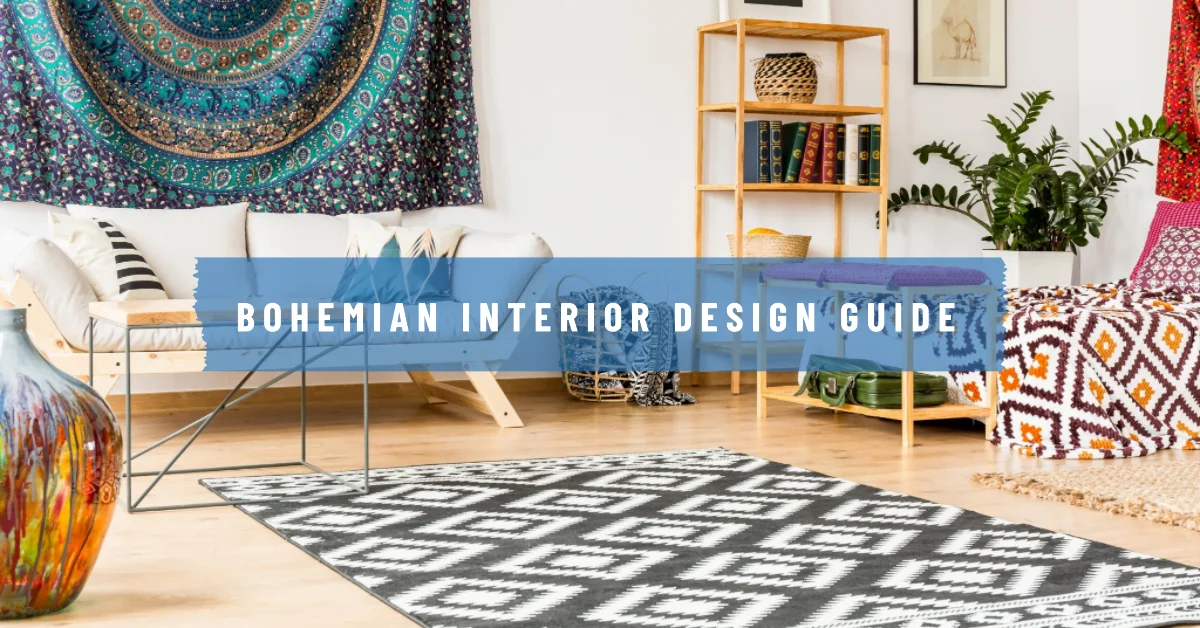
Bohemian: Abundant plants at varied heights, macramé hangers, rattan furniture, layered natural textiles. Boho living room decor naturally incorporates biophilic elements through its emphasis on natural materials and organic forms.
Traditional: Formal plant arrangements, classic wood furniture, botanical prints in traditional frames, symmetrical plant placement flanking fireplaces or doorways.
Industrial: Contrast hard materials (metal, concrete) with soft plants, use reclaimed wood, incorporate living walls as textural counterpoint to exposed brick.
Scandinavian: Light wood tones, minimal plants in simple ceramic pots, maximized natural light, neutral palette with green accents—inherently biophilic through its nature-focused philosophy.
Common Biophilic Design Mistakes and How to Avoid Them
Mistake 1: Too Many Plants in Wrong Locations
The problem: Overcrowding plants in one area while leaving other spaces bare, or placing plants where they can’t survive.
The solution: Map your home’s light conditions. Use a light meter app (free) to measure foot-candles in different areas. Match plants to light levels:
– High light (200+ fc): Succulents, cacti, fiddle leaf figs
– Medium light (75-200 fc): Pothos, philodendrons, snake plants
– Low light (25-75 fc): ZZ plants, cast iron plants, pothos
Distribute plants throughout your home rather than clustering them all in one room.
Mistake 2: Fake Plants as Primary Biophilic Elements
The problem: Relying on artificial plants to avoid maintenance.
The reality: Studies show fake plants provide minimal psychological benefit compared to living plants. They don’t improve air quality, don’t change with seasons, and our brains recognize them as inauthentic.
The compromise: If you must use faux plants (very low light areas, frequent travel), limit them to 20% of your total plant collection and invest in high-quality silk or preserved plants rather than obvious plastic versions.
Mistake 3: Ignoring Maintenance Requirements
The problem: Choosing high-maintenance plants or features without realistic time commitment.
The solution: Audit your actual available time. If you have less than 30 minutes weekly for plant care, stick with drought-tolerant varieties and avoid water features or living walls. Match your plant collection to your lifestyle, not your aspirations.
Mistake 4: All-Green Color Palette
The problem: Thinking biophilic design means painting everything green.
The solution: Nature includes browns, blues, warm whites, terracottas, and grays. Use green as an accent (the 10-30% in the 60-30-10 rule) rather than the dominant color. Let actual plants provide the green; use earth tones for walls and larger surfaces.
Mistake 5: Neglecting Scale and Proportion
The problem: All small plants or all large plants without varied heights.
The solution: Create visual layers mimicking natural ecosystems:
– Canopy layer: 6-8 ft floor plants (1-2 per room)
– Understory layer: 3-4 ft floor or large table plants (2-3 per room)
– Ground layer: 12-18″ tabletop plants (3-5 per room)
– Accent layer: Small 4-6″ plants on shelves (2-4 per room)
Shopping Guide: Biophilic Design Essentials
Plants and Planters
Large ceramic planters: Choose planters with drainage holes in neutral colors (white, terracotta, gray, black) that complement multiple design styles. Sizes 10-14″ diameter work for most floor plants.
Macramé plant hangers: Add vertical interest and save floor space. Natural cotton or jute in neutral tones work with any style. Hang at varied heights for visual rhythm.
Self-watering planters: Ideal for frequent travelers or forgetful waterers. Built-in reservoirs provide 1-2 weeks of water. Best for medium to large plants.
Natural Materials and Textures
Live edge wood coffee table: Showcases natural wood grain and organic form. Acacia and mango wood offer durability at accessible price points ($200-$600).
Jute area rug: Adds natural texture underfoot. Jute is sustainable, durable, and works in high-traffic areas. 8′ x 10′ size suits most living rooms.
Woven seagrass baskets: Versatile storage that adds natural texture. Use for blankets, magazines, or as plant covers. Sets of 3 in graduated sizes offer flexibility.
Textiles and Soft Goods
Linen curtain panels: Filter natural light beautifully while maintaining privacy. Choose neutral tones (white, natural, gray) that complement nature-inspired palettes.
Botanical print throw pillows: Introduce natural patterns without permanent commitment. Mix with solid earth-tone pillows for balance. Sets of 4-6 create cohesive look.
Bamboo roman shades: Provide light control with natural material. Cordless options offer clean lines and child safety.
Lighting and Accessories
Himalayan salt lamp: Provides warm ambient light and natural sculptural form. While air purification claims are debated, the warm glow creates calming atmosphere.
Tabletop water fountain: Adds soothing water sounds and movement. Choose ceramic or stone materials over plastic. LED-lit options create evening ambiance.
Full spectrum LED grow lights: Essential for plants in low-light areas. Modern designs integrate into decor rather than looking utilitarian.
Shop This Look
Editor-picked finds to bring this style home:
- Live Edge Wood Coffee Table →Embrace organic forms and natural wood grain for a grounding centerpiece.
- Terracotta Planter Set →Introduce earthy textures and house plants for a vibrant, living element.
- Wool Boucle Throw Blanket →Add soft, natural fibers for tactile comfort and a cozy, organic feel.
- Botanical Print Wall Art →Bring the beauty of nature indoors with serene, leafy imagery.
As an Amazon Associate we earn from qualifying purchases.
Frequently Asked Questions
What is the difference between biophilic design and just adding plants to a room?
Biophilic design is a comprehensive approach that integrates multiple natural elements—light, materials, colors, patterns, and living plants—to create a holistic connection with nature. Simply adding plants is one component, but true biophilic design considers how natural light flows through spaces, incorporates natural materials like wood and stone, uses nature-inspired color palettes, and creates spatial layouts that mimic natural environments. Research shows that combining multiple biophilic elements produces significantly greater psychological and physiological benefits than any single element alone. For example, a room with plants, natural light, wood furniture, and earth-tone colors reduces stress markers 3-4 times more effectively than a room with only plants.
How many plants do I need for effective biophilic design?
The research-backed guideline is approximately one plant per 100 square feet of living space, with a minimum of three plants per room for measurable air quality and psychological benefits. For a 1,500 sq ft home, aim for 12-15 plants of varied sizes. However, quality and placement matter more than quantity—one large 6-8 ft floor plant creates more visual and psychological impact than three small 6″ desk plants. Distribute plants throughout your home rather than clustering them all in one space. The NASA Clean Air Study found that 15-18 plants in an 1,800 sq ft home effectively filter air, but even 3-5 strategically placed plants produce noticeable benefits in smaller spaces or individual rooms.
Is biophilic design expensive to implement?
Biophilic design is scalable to virtually any budget. A starter implementation costs $200-$500 and includes 5-8 easy-care plants, natural textiles like jute rugs or linen curtains, bamboo accessories, and nature-inspired artwork. This level produces measurable stress reduction and air quality improvements. Mid-range implementations ($1,000-$3,000) add natural furniture pieces, stone accents, and 12-15 varied plants. Premium whole-home biophilic renovations with living walls, water features, skylights, and natural materials throughout can cost $20,000-$50,000+. The most cost-effective approach is starting with plants and natural light optimization (often free or under $200), then gradually adding natural materials and features as budget allows. Even small investments yield disproportionate wellness returns.
What are the best low-maintenance plants for biophilic design beginners?
Snake plants (Sansevieria), pothos, ZZ plants, and spider plants are the most forgiving options for beginners. Snake plants tolerate neglect, low light, and irregular watering—they actually prefer drying out completely between waterings. Pothos grows in virtually any light condition and signals when it needs water by drooping slightly (it perks up within hours of watering). ZZ plants can survive 2-3 weeks without water and tolerate low light. Spider plants are nearly indestructible and produce baby plants you can propagate. All four purify air effectively and cost $10-$25 for starter plants. For absolute beginners, start with 3-5 of these varieties before attempting higher-maintenance plants like fiddle leaf figs or calatheas, which require consistent care and specific conditions.
Can biophilic design work in small apartments or spaces with limited natural light?
Yes, with strategic adaptations. For small spaces, prioritize vertical elements like wall-mounted planters, hanging plants, and tall narrow floor plants that maximize visual impact without consuming floor space. Choose low-light tolerant plants like pothos, snake plants, ZZ plants, and cast iron plants. Supplement with full-spectrum LED grow lights ($25-$80) that support plant health while providing ambient lighting. Use mirrors to amplify existing natural light—a large mirror opposite a window can effectively double perceived light. Focus on multi-functional biophilic elements: a jute rug adds texture, a wood coffee table provides surface area and natural material, and 3-4 well-placed plants create greenery without clutter. Even a 300 sq ft studio apartment benefits from 4-6 plants, natural textiles, and maximized natural light, producing measurable stress reduction and improved air quality.
How do I maintain a living wall, and is it worth the investment?
Living walls require weekly watering (15-30 minutes), monthly fertilizing (15 minutes), quarterly pruning (30-60 minutes), and annual replanting of 20-30% of plants (2-4 hours). Total time investment: 2-3 hours monthly, or $75-$150 monthly for professional maintenance. Installation costs $150-$300 per square foot; a modest 4′ x 6′ wall costs $3,600-$7,200 installed. Living walls are worth the investment if you: (1) have a high-impact location like an entryway or dining room where guests will see it, (2) can commit to maintenance or budget for professional service, (3) have adequate light (natural or supplemental grow lights), and (4) value the dramatic visual statement and air purification benefits. They’re not recommended for bedrooms (excess humidity), low-light spaces, or for homeowners seeking low-maintenance biophilic design. DIY modular systems ($200-$500) offer a more accessible entry point but still require similar maintenance commitment.
Bringing It All Together: Your Biophilic Design Action Plan
Biophilic design transforms houses into homes that actively support your well-being. The evidence is clear: integrating natural elements reduces stress, improves air quality, enhances cognitive function, and creates spaces where you genuinely want to spend time.
Start With These Three Steps
Step 1: Audit your natural light (30 minutes). Walk through your home at different times of day. Note which rooms receive direct sunlight, which have indirect light, and which are consistently dim. This determines plant placement and identifies opportunities for window treatment changes.
Step 2: Choose 5-8 starter plants (budget: $50-$150). Based on your light audit, select appropriate plants. Mix sizes: 1-2 large floor plants, 2-3 medium plants, and 3-4 small plants. Stick with easy-care varieties like pothos, snake plants, and spider plants.
Step 3: Make one natural material swap (budget: $50-$200). Replace your most-used synthetic item with a natural alternative: swap plastic cutting boards for wood, replace a polyester rug with jute, or exchange plastic planters for ceramic. This creates immediate tactile connection with natural materials.
The 90-Day Biophilic Transformation
Month 1: Implement steps 1-3 above. Observe how these changes affect your daily experience. Notice stress levels, sleep quality, and general mood.
Month 2: Add 3-5 more plants in different rooms. Introduce one nature-inspired color (paint an accent wall, add botanical print pillows, or hang nature photography). Budget: $100-$300.
Month 3: Invest in one significant natural material piece—a wood coffee table, stone bathroom accessories, or linen curtains. This anchors your biophilic design and creates a foundation for future additions. Budget: $200-$600.
By day 90, you’ll have 10-15 plants, improved natural light, multiple natural materials, and nature-inspired colors throughout your home—a comprehensive biophilic environment that supports your well-being daily.
Beyond Your Home
The principles you’ve learned extend beyond interior spaces. Advocate for biophilic design in your workplace, suggest nature-inspired elements for community spaces, and support urban planning initiatives that prioritize green infrastructure. Every space where we spend time—offices, schools, healthcare facilities, public buildings—benefits from biophilic design.
The connection between humans and nature isn’t a luxury; it’s a biological necessity. Biophilic design simply acknowledges this truth and designs accordingly. Your home is where this transformation begins, one plant, one natural material, one thoughtful design choice at a time.
Ready to start your biophilic journey? Begin with the three-step action plan above this week. Your future self—calmer, healthier, and more connected to the natural world—will thank you.
For more ways to create a welcoming, nature-connected home, explore our guides on making your house feel homey and creating beautiful home interiors.
As an Amazon Associate we earn from qualifying purchases.