
Luxury Less at a Glance — Compare Live Prices
Our top picks compared side by side, with prices pulled live from Amazon:
Prices & availability accurate as of October 5, 2026 and may change. As an Amazon Associate, Inside Decors earns from qualifying purchases.
By Inside Decors · Updated August 20, 2026
Affiliate Disclosure: This article contains affiliate links. If you make a purchase through these links, we may earn a small commission at no extra cost to you.
Creating a luxurious home doesn’t require a designer budget or a complete renovation. Through strategic upgrades, thoughtful color choices, and smart investments in key pieces, you can transform any space into an elegant retreat that rivals high-end interiors—all while staying within a modest budget.
This comprehensive guide shares proven strategies from professional designers to help you achieve an expensive look without the expensive price tag. You’ll discover which upgrades deliver the biggest visual impact, how to layer textures and finishes like a pro, and where to splurge versus save for maximum effect.
Short on time? Jump straight to our editor-vetted picks and compare current prices.
Key Takeaways
- Maximize natural light with mirrors and light window treatments to instantly brighten and expand your space
- Invest strategically in 2-3 high-quality anchor pieces rather than filling rooms with budget items
- Layer textures and finishes to create depth and visual interest that signals luxury
- Focus on high-impact areas like entryways, living rooms, and primary bathrooms for the best return
- Use paint strategically with rich, sophisticated colors to transform spaces for under $100
- Declutter ruthlessly—luxury homes showcase curated collections, not clutter
- Upgrade hardware and fixtures for an instant high-end look at minimal cost
Start with Strategic Decluttering and Organization

Before investing a single dollar in upgrades, the most impactful step is ruthless decluttering. Luxury homes share one universal characteristic: they’re edited, not crowded. Every item earns its place.
Walk through each room and remove anything that doesn’t serve a clear function or bring genuine joy. This isn’t about minimalism—it’s about curation. A beautiful vase loses impact when surrounded by ten others.
Invest in attractive storage solutions that hide everyday necessities. Woven baskets in natural materials like seagrass or rattan ($25-45 on Amazon) provide texture while concealing remotes, magazines, and toys. Velvet or linen storage ottomans ($80-150 on Amazon) serve double duty as seating and hidden storage.
The goal is surfaces that breathe. Countertops should display 1-3 carefully chosen items, not collections of small objects. Bookshelves look more expensive when 30% of the space remains open, allowing the eye to rest.
Maximize Natural Light for Instant Luxury

Lighting transforms perceived value more than almost any other factor. Natural light makes spaces feel larger, cleaner, and more expensive—which is why luxury homes feature floor-to-ceiling windows.
Window Treatment Upgrades
Replace heavy, dark curtains with sheer linen or lightweight cotton panels in white or cream. These fabrics filter light beautifully while maintaining privacy during the day. Hang curtain rods as close to the ceiling as possible and extend them 8-12 inches beyond the window frame on each side. This creates the illusion of larger windows and taller ceilings.
For a truly custom look, choose curtains that puddle slightly on the floor (about 1-2 inches of extra fabric). This detail signals luxury and costs nothing extra if you’re buying ready-made panels—simply choose the next size up.
Budget-friendly option: IKEA’s Lenda curtains in white ($25/pair) hung on ceiling-mounted rods create a high-end look for under $60 per window.
Strategic Mirror Placement
Mirrors multiply natural light and expand visual space. A large mirror (minimum 36″ x 48″) positioned opposite or adjacent to a window effectively doubles the light in a room.
Lean an oversized floor mirror against a wall rather than hanging it—this casual styling trick is currently used in luxury interiors and costs nothing. Look for mirrors with interesting frames in brass, aged wood, or matte black ($120-200 on Amazon).
For maximum impact, place mirrors to reflect something beautiful—a window view, artwork, or an attractive furniture arrangement—never a blank wall or clutter.
Focus on High-Impact Areas First

When working with a limited budget, concentrate resources where they’ll be noticed most. These high-traffic, high-visibility areas deliver the greatest return on investment.
Entryway Excellence
First impressions set expectations for the entire home. A well-designed entryway signals that care and attention extend throughout.
- Add a statement light fixture (even an affordable one in brass or matte black creates impact)
- Place a console table with a large mirror above it
- Include one substantial decorative object—a sculptural vase, large bowl, or piece of art
- Add a high-quality doormat and consider painting the interior of your front door a sophisticated color
Budget: $200-400 can completely transform an entryway.
Living Room Focal Points
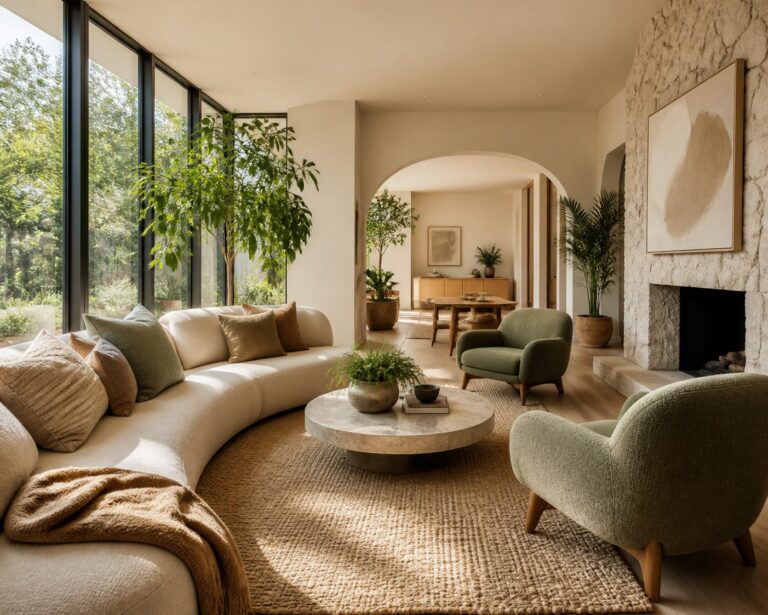
Rather than spreading your budget across multiple small purchases, invest in one or two anchor pieces. A timeless sofa in a neutral color provides a foundation for years. Pair it with a substantial coffee table and one large piece of art rather than a gallery wall of small prints.
A quality area rug defines the seating area and adds warmth. Look for rugs in natural fibers like wool or jute, or high-quality synthetic rugs that mimic natural textures. Size matters—too-small rugs make spaces feel disjointed. In living rooms, front furniture legs should rest on the rug.
Bedroom Luxury Through Layering
Your bedroom should feel like a boutique hotel. This is achieved primarily through textiles and layering, which is budget-friendly compared to furniture upgrades.
Start with the highest thread count sheets you can afford in white or neutral tones. Layer a duvet or coverlet, add a throw blanket at the foot of the bed, and build a pillow arrangement with varying sizes and textures. Use two Euro shams (26″ x 26″) in back, two standard sleeping pillows in the middle, and 2-3 decorative throw pillows in front.
Mix textures: pair smooth cotton or linen with velvet, faux fur, or chunky knit. This layering creates the depth and richness associated with luxury bedding.
Budget tip: Invest in quality white sheets ($60-100 on Amazon) and change the look seasonally with affordable duvet covers and throw pillows.
Choose Quality Over Quantity: The Investment Strategy
The fastest way to make a space look cheap is filling it with inexpensive furniture and decor. A single well-made piece outperforms five budget alternatives every time.
Where to Splurge
Prioritize quality in these high-impact categories:
Upholstered Furniture: Sofas and upholstered chairs receive heavy use and serve as room anchors. Look for hardwood frames, eight-way hand-tied springs, and durable fabrics. A $1,200 sofa that lasts 15 years costs less annually than a $400 sofa replaced every 3 years.
Lighting Fixtures: Statement lighting draws the eye upward and adds architectural interest. One beautiful chandelier or pendant light transforms a room’s entire character.
Window Treatments: Custom or high-quality ready-made curtains in natural fibers elevate every window. The difference between $30 polyester panels and $80 linen panels is immediately visible.
Rugs: A substantial, quality rug grounds a room and withstands traffic. Natural fiber rugs or well-made synthetics in classic patterns remain stylish for decades.
Where to Save
Allocate less budget to these categories:
- Decorative accessories (vases, bowls, objects)
- Artwork (affordable prints in quality frames look expensive)
- Side tables and occasional furniture
- Bedding accents like throw pillows (change these seasonally)
- Storage baskets and organizational items
Paint: The Highest-Impact, Lowest-Cost Transformation
A gallon of premium paint costs $50-70 and covers approximately 400 square feet. No other upgrade delivers comparable transformation at this price point.
Sophisticated Color Choices for 2026
Move beyond builder-grade beige and embrace colors that signal intentional design:
Deep, Moody Neutrals: Charcoal, warm grays with brown undertones, and greige (gray-beige hybrids) create sophisticated backdrops. These colors make white trim and light furniture pop while adding depth.
Rich Jewel Tones: Emerald green, sapphire blue, and deep burgundy work beautifully as accent walls or in smaller spaces like powder rooms and home offices. These colors photograph as expensive and create memorable spaces.
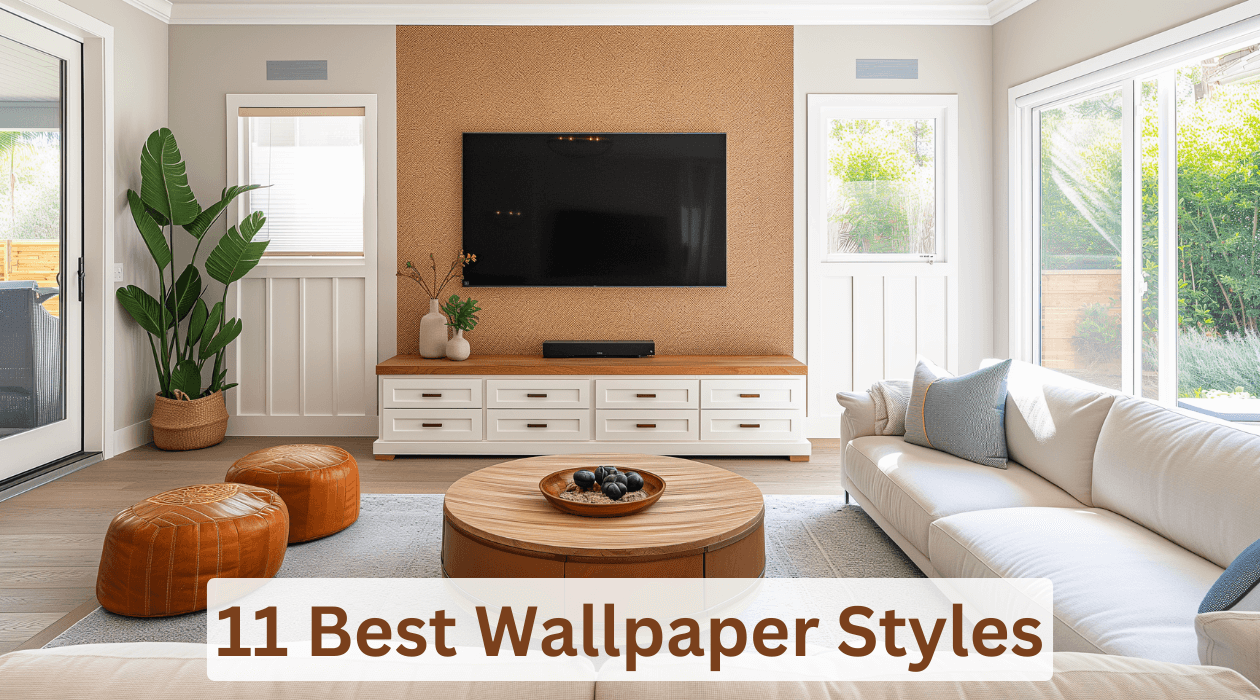
Warm, Earthy Tones: Terracotta, warm clay, and ochre bring organic warmth. These colors pair beautifully with natural materials and create cozy, inviting spaces.
Classic Navy: Navy blue remains timeless and versatile. It works in traditional and modern spaces, pairs with virtually any accent color, and reads as both bold and safe—a rare combination.
Color Application Strategies
| Approach | Best For | Visual Effect | Budget |
|---|---|---|---|
| Accent Wall | Beginners, renters, small spaces | Adds drama without overwhelming | $50-70 (1 gallon) |
| Full Room in Bold Color | Confident decorators, dedicated spaces (office, bedroom) | Creates immersive, memorable experience | $150-200 (3-4 gallons) |
| Trim & Doors in Contrast Color | Adding architectural interest | Makes standard trim look custom | $100-150 (2 gallons) |
| Ceiling Color | Low ceilings, adding unexpected detail | Draws eye up, adds sophistication | $50-70 (1 gallon) |
Top Luxury Less Picks — Live Prices
Hand-checked against Amazon right now, best current deals first:


Prices & availability accurate as of October 5, 2026 and may change. As an Amazon Associate, Inside Decors earns from qualifying purchases.
For a cohesive look throughout your home, consider following the 60-30-10 decorating rule, which helps balance dominant, secondary, and accent colors across your space.
The Power of Paint Beyond Walls
Don’t limit paint to walls. These applications create custom looks for minimal investment:
- Interior doors: Painting interior doors black creates instant architectural drama and makes standard doors look custom
- Kitchen cabinets: A fresh color transforms dated cabinets (requires proper prep and paint, but costs under $200 versus $10,000+ for replacement)
- Furniture: Update thrift store or dated furniture with paint in sophisticated colors
- Built-ins and shelving: Painting the back of bookshelves in a contrasting color adds depth
Upgrade Hardware and Fixtures for Instant Refinement
Cabinet hardware, door handles, light switches, and outlet covers seem minor, but outdated or mismatched fixtures undermine an otherwise polished space.
Hardware Upgrades
Replace brass or chrome cabinet pulls from the 1990s with modern options in matte black, brushed brass, or polished nickel. Consistency matters more than style—choose one finish and use it throughout connected spaces.
Budget: Quality cabinet pulls cost $3-8 each. A kitchen with 20 cabinets requires $60-160 in hardware—a small investment for significant impact.
Door hardware follows the same principle. Replacing hollow, lightweight doorknobs with substantial lever handles in a consistent finish elevates the entire home.
Bathroom Fixture Updates
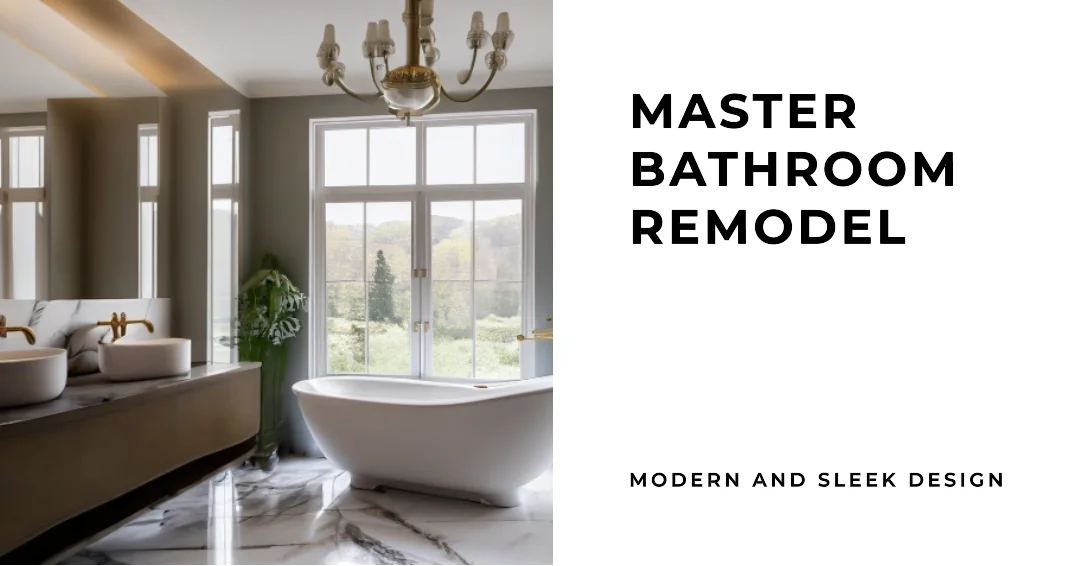
Bathroom fittings dramatically affect perceived quality. A $40 rainfall showerhead creates a spa-like experience. Replacing a builder-grade faucet with a substantial model in brushed nickel or matte black ($80-150 on Amazon) transforms a basic bathroom.
Other high-impact bathroom upgrades:
- Replace plastic toilet seats with slow-close wood or molded wood seats ($30-50)
- Add a large framed mirror or replace a medicine cabinet mirror ($60-120)
- Install modern light fixtures flanking the mirror rather than a single bar above
- Upgrade to plush, hotel-quality towels in white or neutral tones ($40-60/set on Amazon)
- Add a substantial bath mat in cotton or bamboo
These changes transform your bathroom into a luxurious retreat without renovation.
Layer Textures and Finishes Like a Designer
Luxury interiors feature depth created through varied textures and finishes. Flat, one-dimensional rooms feel budget regardless of furniture quality.
Textile Layering
Combine smooth and textured fabrics in each room:
- Pair a smooth leather or linen sofa with velvet or boucle pillows
- Layer a jute or sisal rug under a smaller, plush wool or faux fur rug
- Mix matte cotton curtains with silk or velvet pillows
- Combine smooth wood furniture with nubby linen upholstery
Material Mixing
Incorporate multiple materials within each space:
- Wood (warm, organic)
- Metal (brass, black iron, chrome—choose one finish per room)
- Glass (mirrors, vases, table tops)
- Stone or ceramic (vases, bowls, lamp bases)
- Natural fibers (rattan, jute, seagrass)
A room featuring only wood furniture feels one-note. Add a metal-framed mirror, glass lamp, and ceramic vases to create visual interest.
Finish Variation
Mix matte and glossy finishes. Pair matte-painted walls with glossy trim, or combine matte furniture with a few high-gloss accessories. This contrast adds sophistication.
Strategic DIY Projects That Add Value
Not all DIY projects enhance perceived value. Poorly executed projects detract from a home’s appearance. Focus on these high-success, high-impact DIY upgrades:
Custom Curtain Panels
Purchase quality fabric (linen, cotton, or linen-cotton blend) and create simple rod-pocket or clip-ring curtains. This costs 40-60% less than custom curtains while looking identical.
Required skills: Basic sewing or fabric glue application
Cost: $40-60 per window versus $150-300 for custom
Time investment: 2-3 hours per window
Trim and Molding Installation
Adding crown molding, picture rail, or board-and-batten wainscoting creates architectural interest in builder-grade homes. Pre-primed MDF molding is affordable and easy to work with.
Required skills: Measuring, cutting, basic carpentry
Cost: $100-200 per room
Time investment: One weekend per room
Artwork Creation
Large-scale abstract art costs $500-2,000 from galleries but $50-100 to create. Purchase a large canvas (40″ x 60″ or larger), quality acrylic paints, and follow simple abstract techniques. Even basic color-blocking looks sophisticated at scale.
Required skills: None—abstract art is forgiving
Cost: $50-100 for gallery-sized piece
Time investment: 2-4 hours
Furniture Refinishing
Transform thrift store or hand-me-down furniture with paint, new hardware, and updated upholstery. A $40 dresser becomes a $400 statement piece with $60 in paint and new pulls.
Required skills: Basic painting, optional upholstery
Cost: $60-150 depending on project
Time investment: One weekend
Avoid DIY projects requiring specialized skills (tile work, electrical, plumbing) unless you’re experienced. Poor execution in these areas looks worse than leaving them unchanged.
Books and Accessories as Curated Decor
Luxury homes display carefully chosen accessories, not collections of small objects.
Coffee Table Books
Large-format books on art, design, photography, or travel serve as both decor and conversation starters. Stack 2-4 books on coffee tables, console tables, or nightstands ($30-50 for quality titles on Amazon).
Choose books with beautiful covers in colors that complement your space. Arrange them in small stacks with one decorative object on top—a small sculpture, candle, or organic object like a shell or geode.
The Rule of Three
When styling surfaces, group objects in threes with varying heights. This creates visual interest while maintaining simplicity. For example:
- Tall vase + medium candle + small bowl
- Stack of books + medium sculpture + small plant
- Large frame + medium decorative box + small object
Avoid scattering many small objects across surfaces. This reads as clutter, not curation.
Organic Elements
Incorporate natural elements to add life and texture:
- Fresh or high-quality faux greenery in substantial planters ($25-60 on Amazon)
- Branches in tall vases
- Bowls of natural objects (pine cones, shells, stones)
- Fresh flowers weekly (grocery store bouquets in simple vases look expensive)
These elements soften hard surfaces and add organic texture that signals a lived-in, curated space.
Lighting Layers Create Ambiance and Luxury
Overhead lighting alone creates flat, uninviting spaces. Luxury homes feature multiple light sources at different heights, creating warmth and flexibility.
The Three-Layer Approach
Ambient Lighting: Overall illumination from ceiling fixtures, recessed lights, or chandeliers. This should be dimmable to adjust mood.
Task Lighting: Focused light for specific activities—reading lamps beside chairs, pendant lights over kitchen islands, vanity lights in bathrooms.
Accent Lighting: Decorative lighting that highlights art, architecture, or creates ambiance—picture lights, uplights on plants, LED strips under cabinets.
Budget-Friendly Lighting Upgrades
- Replace builder-grade ceiling fixtures with statement pieces in current finishes ($60-150 on Amazon)
- Add table lamps to living rooms and bedrooms (aim for 3-5 light sources per room)
- Install dimmer switches ($15-25 each, easy DIY installation)
- Use warm-white LED bulbs (2700K-3000K) for a flattering, expensive glow
- Add plug-in picture lights above artwork ($30-50 each)
Lighting creates mood more effectively than any other element. Invest here for maximum impact.
Addressing Common Challenges and Obstacles
“I’m Renting and Can’t Make Permanent Changes”
Focus on these non-permanent upgrades:
- Removable wallpaper for accent walls (peels off without damage)
- Leaning mirrors and art rather than hanging
- Freestanding furniture and shelving
- Layered rugs over existing flooring
- Curtains hung from tension rods or command hooks
- Temporary cabinet hardware (save originals to reinstall)
- Peel-and-stick tile for backsplashes
Many of these solutions work equally well in owned homes and offer flexibility to change with trends.
“I Don’t Know Where to Start”
Begin with one room—ideally the space where you spend the most time. Complete that room before moving to the next. This approach:
- Prevents overwhelm
- Allows you to see results quickly
- Helps you develop your style before committing throughout the home
- Builds skills progressively
Start with decluttering and paint, then add one quality anchor piece. Build from there.
“I’m Afraid of Making Expensive Mistakes”
Test before committing:
- Use peel-and-stick samples for paint colors (view in different lighting throughout the day)
- Borrow or rent furniture styles before purchasing
- Start with affordable accessories in new colors or styles
- Use painter’s tape to map furniture arrangements before moving heavy pieces
- Create a digital mood board with photos of inspiration images to ensure cohesion
Remember that paint is easily changed, and most decor can be returned, resold, or repurposed. Few mistakes are permanent.
“My Space Is Too Small for Luxury”
Small spaces can feel luxurious through:
- Lighter colors that reflect light
- Large mirrors that expand visual space
- Fewer, better pieces rather than cramming in furniture
- Vertical storage that draws the eye up
- One bold element (accent wall, statement light) that creates focus
- Consistent color palette throughout to create flow
Luxury is about quality and curation, not square footage.
Understanding Design Principles for Cohesive Spaces
While individual upgrades improve specific areas, understanding foundational design principles ensures your home feels cohesive and intentional. Familiarize yourself with the 7 principles of interior design—balance, rhythm, emphasis, proportion, scale, harmony, and unity—to create spaces that feel professionally designed.
These principles guide decisions about furniture placement, color selection, and accessory arrangement, helping you avoid common pitfalls that make spaces feel disjointed or amateur.
Creating Your Action Plan
Transform your home systematically with this prioritized approach:
Phase 1: Foundation (Weeks 1-2, Budget: $100-300)
– Declutter and organize every room
– Deep clean (or hire cleaners for one thorough session)
– Replace burned-out bulbs with warm-white LEDs
– Wash or replace window treatments
Phase 2: High-Impact Changes (Weeks 3-6, Budget: $300-800)
– Paint one or two high-traffic rooms
– Upgrade hardware in kitchen and bathrooms
– Add one large mirror
– Purchase one quality anchor piece (sofa, rug, or dining table)
Phase 3: Layering and Refinement (Weeks 7-12, Budget: $400-1,000)
– Add lighting layers (lamps, updated fixtures)
– Incorporate textiles (curtains, throw pillows, bedding)
– Style surfaces with curated accessories
– Add artwork or create DIY pieces
Phase 4: Finishing Touches (Ongoing, Budget: $100-300/month)
– Rotate seasonal accessories
– Add fresh flowers or plants
– Upgrade remaining hardware and fixtures
– Address remaining rooms using lessons learned
This phased approach prevents overwhelm and allows you to see progress while staying within budget.
Shop This Look
Editor-picked finds to bring this style home:
- Velvet Throw Pillows →Adds instant plush texture and rich color, elevating any seating area.
- Large Framed Art Print →Creates a focal point and sophisticated gallery feel without the high cost.
- Marble Accent Tray →Organizes small items with a touch of timeless elegance and luxury.
- Gold Taper Candle Holders →Introduces metallic warmth and a refined, ambient glow to any surface.
As an Amazon Associate we earn from qualifying purchases.
Frequently Asked Questions
How much should I budget to make my home look expensive?
You can create significant impact with $1,000-2,500 spread over 3-6 months. Prioritize paint ($200-400), one quality furniture piece ($400-800), updated lighting ($200-400), new hardware ($100-200), and textiles/accessories ($300-500). Focus on one room at a time rather than spreading budget thinly across the entire home. The key is strategic investment in high-impact areas rather than total amount spent.
What’s the single most effective upgrade for creating a luxury look?
Paint delivers the highest impact per dollar spent. A $200 investment in premium paint can completely transform a room’s character. Choose sophisticated colors like deep navy, warm charcoal, or rich jewel tones rather than builder beige. Pair this with decluttering (free) and you’ve addressed the two most impactful changes. If you can only do one thing, paint your main living space in a rich, intentional color.
Should I follow current trends or stick with timeless choices?
Invest in timeless pieces for expensive items (sofas, rugs, major furniture) and embrace trends through easily changed elements (throw pillows, artwork, accessories, paint). A neutral sofa lasts 10-15 years and works with evolving styles. Trendy velvet pillows cost $30-50 and can be replaced when tastes change. This approach keeps your home current without requiring expensive updates every few years.
How can I make a small room look more luxurious and spacious?
Use light, neutral colors on walls to reflect light and expand visual space. Add a large mirror (minimum 36″ x 48″) to double perceived space. Choose furniture with exposed legs rather than skirted pieces—visible floor space makes rooms feel larger. Hang curtains at ceiling height and extend rods beyond window frames. Use one or two substantial pieces rather than many small items. Add vertical elements like tall plants or floor-to-ceiling bookshelves to draw the eye upward.
What are the biggest mistakes people make when trying to create a luxury look on a budget?
The most common mistake is buying many inexpensive items rather than fewer quality pieces. A room filled with budget furniture looks budget, while one quality sofa with simple accessories looks intentional. Other mistakes include: ignoring lighting (overhead-only lighting feels institutional), skipping decluttering (luxury requires editing), choosing trendy over timeless for major purchases, neglecting window treatments (bare windows or cheap blinds undermine other upgrades), and failing to commit to a cohesive color palette (random colors create visual chaos).
How do I choose between DIY and purchasing ready-made items?
DIY makes sense for: simple projects you can execute well (painting, basic sewing, artwork creation), projects where custom sizing matters (curtains, built-ins), and when you enjoy the process. Purchase ready-made for: items requiring specialized skills (upholstery, complex carpentry), pieces where quality materials are essential (rugs, major furniture), and when your time is more valuable than the cost difference. Always assess your skill level honestly—a poorly executed DIY project looks worse than an affordable ready-made alternative.
Conclusion: Your Roadmap to Affordable Luxury
Creating a home that looks expensive on a budget is entirely achievable through strategic planning, thoughtful investments, and attention to detail. The key lies not in spending more, but in spending smarter—prioritizing high-impact changes, investing in quality anchor pieces, and using affordable updates like paint, lighting, and textiles to create layers of sophistication.
Start with one room. Declutter ruthlessly, add a fresh coat of paint in a sophisticated color, invest in one quality piece, and layer in affordable textiles and accessories. The transformation will motivate you to continue throughout your home.
Remember that luxury isn’t about perfection or matching everything from a single collection. It’s about creating a curated, cohesive space that reflects intentional choices and attention to detail. Your home should tell your story while providing comfort and beauty.
Ready to begin your transformation? Start by identifying your highest-impact room and implementing the foundational changes—decluttering, paint, and lighting. These three elements alone will create dramatic improvement and set the stage for additional upgrades.
For more inspiration on creating a welcoming, beautiful home, explore our guide on how to make a house feel homey, which complements these luxury-on-a-budget strategies with warmth and personality.
About Inside Decors
At Inside Decors, we’re proud to have a talented team of interior designers who are experts in bringing spaces to life. With years of experience and a passion for creating beautiful, functional interiors, they’re the go-to experts in the industry. Our designers are true professionals, committed to delivering the best content and staying ahead of the curve with their certifications and continuous learning. When you read our guides, you’re in good hands. Our designers will help you bring your dream space to life with their expertise in interior design and home decor.