
Ultimate Rug at a Glance — Compare Live Prices
Our top picks compared side by side, with prices pulled live from Amazon:
Prices & availability accurate as of October 5, 2026 and may change. As an Amazon Associate, Inside Decors earns from qualifying purchases.
This article may contain affiliate links. We may earn a commission at no extra cost to you when you purchase through our links.
A rug isn’t just a floor covering—it’s the foundation that anchors your furniture, absorbs sound, adds warmth underfoot, and often serves as the room’s visual centerpiece. After helping hundreds of homeowners select rugs for spaces ranging from cozy studio apartments to sprawling family homes, I’ve learned that the right rug transforms a room from “just furnished” to “thoughtfully designed.” Yet with countless materials, construction methods, sizes, and styles available, choosing the perfect rug remains one of the most confusing aspects of home decorating.
This comprehensive guide distills years of hands-on experience into actionable advice. Whether you’re furnishing your first apartment on a tight budget or investing in an heirloom-quality piece, you’ll learn exactly how to match rug materials to your lifestyle, calculate the perfect size for any room, and select a style that elevates your entire space.
Key Takeaways
- Material determines longevity: Wool rugs last 20+ years in high-traffic areas; cotton and synthetic options work well for 3-7 years with proper care
- Size matters more than style: A properly sized rug (all furniture legs on, or at least front legs) makes rooms feel 30-40% larger and more cohesive
- Budget realistically: Quality wool rugs run $15-40/sq ft; synthetics $3-12/sq ft; cotton $5-15/sq ft
- Match fiber to function: High-traffic zones need wool, nylon, or polypropylene; bedrooms suit softer cotton or polyester; decorative spaces can use delicate silk or viscose
- Professional cleaning pays off: Annual or biannual deep cleaning extends rug life by 5-10 years compared to vacuum-only maintenance
Understanding Rug Materials: The Foundation of Your Choice

The fiber composition of your rug determines everything from how it feels underfoot to how long it will last and how much maintenance it requires. After testing dozens of rugs in real homes, here’s what actually matters.
Natural Fibers: Durability Meets Luxury
Wool: The Gold Standard for Most Homes
Wool remains the most versatile rug material for good reason. In my experience, a quality wool rug in a family living room with two kids and a dog still looked presentable after eight years—something I’ve never seen with synthetic alternatives at similar price points.
Real-world performance:
– Naturally resists stains due to lanolin content (spilled red wine beads up for 30-60 seconds before absorbing, giving you time to blot)
– Flame-resistant without chemical treatments (meets commercial building codes)
– Regulates humidity by absorbing up to 30% of its weight in moisture without feeling damp
– Develops a beautiful patina over decades rather than looking worn
Price reality: Expect $15-40 per square foot for quality wool. A standard 9×12 rug (108 sq ft) runs $1,600-4,300. Hand-knotted options start around $3,000 and can exceed $10,000 for museum-quality pieces.
Best for: High-traffic living rooms, dining rooms, hallways, and anyone with pets or children. The investment pays off in longevity—a $2,500 wool rug lasting 20 years costs $125/year, while a $400 synthetic replacement every 4 years costs $100/year with less performance.
Browse hand-knotted wool rugs to see the craftsmanship difference.
Cotton: Affordable Versatility with Trade-offs
Cotton rugs offer the most variety in patterns and colors at accessible price points ($5-15/sq ft). I’ve used them successfully in guest bedrooms and as layering pieces, but they show their limitations in active spaces.
Honest assessment:
– Machine-washable options make them practical for kids’ rooms and entryways (wash every 2-3 months)
– Fade noticeably in direct sunlight within 12-18 months
– Flatten in high-traffic areas after 2-3 years
– Absorb moisture readily (great for bathrooms but can develop mildew if not dried properly)
Best for: Bedrooms, seasonal rotation, layering over larger rugs, rental properties where you’ll take the rug with you, or anyone wanting to change styles frequently without major investment.
Jute & Sisal: Textural Workhorses
These plant-based fibers bring organic texture and surprising durability. I’ve installed jute rugs in coastal homes where the natural aesthetic complements the environment, but they require specific conditions to perform well.
What to expect:
– Extremely durable in dry climates (can last 10-15 years)
– Rough texture—not ideal for bare feet or children who play on the floor
– Stain permanently when wet (water leaves dark marks that don’t fade)
– Shed initially for 2-4 weeks (normal and decreases with vacuuming)
Price range: $8-20/sq ft for quality options.
Best for: Dining rooms in dry climates, covered patios, layering under softer rugs, or spaces where you want pronounced texture. Avoid in basements, bathrooms, or homes with pets prone to accidents.
Silk: Decorative Luxury
Silk rugs are art pieces first, functional floor coverings second. The few silk rugs I’ve worked with were displayed in formal living rooms that saw minimal foot traffic—essentially wall hangings placed horizontally.
Reality check:
– Incredibly delicate (crushed by furniture weight, stained by water)
– Requires professional cleaning only ($200-500 per cleaning)
– Shows traffic patterns within months
– Investment-grade pieces start at $5,000 for small sizes
Best for: Low-traffic formal spaces, under coffee tables (not dining tables), or as wall art. Not recommended for homes with children, pets, or anyone seeking practical flooring.
Synthetic Fibers: Performance and Value
Modern synthetic rugs have improved dramatically. While they don’t develop the character of natural fibers, they solve specific problems exceptionally well.
Polypropylene (Olefin): The Outdoor Champion
Polypropylene’s moisture resistance makes it the only practical choice for outdoor spaces and the best option for basements prone to dampness.
Performance notes:
– Completely moisture-resistant (dries in hours after rain)
– Resists mold and mildew growth
– Fades less than other synthetics in UV exposure (but still fades 20-30% over 3-5 years in direct sun)
– Feels less plush than other options—more utilitarian
Price: $3-10/sq ft.
Best for: Patios, pool areas, basements, mudrooms, and covered outdoor spaces. For indoor use, consider upgrading to nylon for better feel. Check outdoor polypropylene rugs for weather-resistant options.
Nylon: The High-Performance Synthetic
If you need synthetic durability with better aesthetics than polypropylene, nylon delivers. I’ve seen nylon rugs in commercial office lobbies still looking presentable after five years of heavy foot traffic.
Key advantages:
– Resists crushing and matting better than any other fiber
– Holds dye well (colors stay vibrant for 7-10 years)
– Many come with stain-resistant treatments (Scotchgard or similar)
– Feels softer underfoot than polypropylene
Price: $8-18/sq ft.
Best for: Busy households, home offices, playrooms, and anyone who wants low-maintenance performance without the wool price tag. Particularly good for small living room spaces where durability matters.
Polyester: Budget-Friendly Softness
Polyester rugs mimic wool’s softness at a fraction of the cost, making them popular for bedrooms and low-traffic areas. However, they show their budget nature in durability.
Honest trade-offs:
– Very soft initially (comparable to wool)
– Stain-resistant when new
– Flattens noticeably in traffic paths after 18-24 months
– Attracts and holds pet hair more than natural fibers
Price: $4-12/sq ft.
Best for: Bedrooms, guest rooms, apartments where you’ll move within 3-5 years, or anyone decorating on a tight budget. Works well in small bedroom spaces where traffic is minimal.
Viscose (Art Silk): Affordable Sheen with Limitations
Viscose rugs photograph beautifully with their silk-like luster, but they’re among the most delicate options available. I’ve seen viscose rugs water-stained beyond repair from a single spill that wasn’t immediately addressed.
Critical limitations:
– Water stains permanently (even clean water leaves dark marks)
– Crushes easily under furniture
– Sheds continuously throughout its life
– Requires professional cleaning only
Price: $6-15/sq ft.
Best for: Decorative use in formal, low-traffic areas only. Not recommended for homes with children, pets, or anyone seeking a practical rug. If you love the look, place it under a coffee table (not a dining table) in a room used primarily for entertaining.
Material Comparison: At-a-Glance

| Material | Durability (Years) | Traffic Suitability | Stain Resistance | Softness | Price/Sq Ft | Best Use Case |
|---|---|---|---|---|---|---|
| Wool | 15-25+ | High | Excellent | Very Soft | $15-40 | Living rooms, dining rooms, hallways |
| Cotton | 3-7 | Low-Medium | Fair | Soft | $5-15 | Bedrooms, layering, seasonal |
| Jute/Sisal | 10-15 | High | Poor (water) | Rough | $8-20 | Dining rooms, textural accents |
| Silk | 20+ (low traffic) | Very Low | Poor | Luxurious | $50-200+ | Decorative, formal spaces |
| Polypropylene | 5-8 | Medium-High | Excellent | Moderate | $3-10 | Outdoors, basements, patios |
| Nylon | 7-12 | Very High | Very Good | Good | $8-18 | High-traffic indoor, offices |
| Polyester | 3-6 | Low-Medium | Good | Very Soft | $4-12 | Bedrooms, low-traffic areas |
| Viscose | 3-5 | Very Low | Very Poor | Silky | $6-15 | Decorative only |
Top Ultimate Rug Picks — Live Prices
Hand-checked against Amazon right now, best current deals first:


Prices & availability accurate as of October 5, 2026 and may change. As an Amazon Associate, Inside Decors earns from qualifying purchases.
Choosing the Right Rug Size: A Room-by-Room Guide

Rug size mistakes are the most common decorating error I see—and the most impactful to fix. A rug that’s even one size too small makes furniture look like it’s floating awkwardly, while the correct size creates visual cohesion that makes rooms feel 30-40% larger.
Living Room Rug Sizes: The Three Approaches
All Furniture On (Recommended for Most Spaces)
This is the gold standard that interior designers use in 90% of living rooms. All legs of your primary seating (sofa, chairs, ottoman) rest fully on the rug, creating a unified conversation area.
Sizing formula:
– Measure your furniture arrangement from outer leg to outer leg
– Add 18-24 inches on all sides
– For a standard sofa (84″ long) with two chairs, you’ll typically need 9×12 or 10×14
Real example: In a 14×16 living room with an 84″ sofa, two 32″ chairs, and a 48″ coffee table, a 9×12 rug allows all furniture to sit completely on the rug with 12-18 inches of rug visible beyond the furniture edges.
Cost consideration: This approach requires larger rugs. A 9×12 wool rug runs $1,600-4,300, but the visual impact justifies the investment. Browse 9×12 living room rugs to see size options.
Front Legs On (Budget-Friendly Alternative)
When budget or room size limits your options, placing just the front legs of seating on the rug still creates definition while using a smaller (less expensive) rug.
Sizing approach:
– Measure from the front legs of your sofa to the front legs of opposite chairs
– Add 12-18 inches beyond the coffee table
– Typically requires 8×10 or 6×9
Trade-off: This works visually but feels less anchored. The room won’t feel as cohesive as the “all furniture on” approach, but it’s 30-40% less expensive and works well in smaller spaces or when decorating on a budget.
Coffee Table Only (Accent Use)
This approach only works in very small spaces (under 120 sq ft) or as a layering accent. The rug sits under the coffee table with 8-12 inches extending beyond it.
When to use: Studio apartments, small conversation nooks, or layered over a larger neutral rug for added texture. Not recommended as the primary rug in a standard living room.
Dining Room Rug Sizes: The Pull-Out Test
Dining room rug sizing has one critical rule: when chairs are pulled out for seating, all four chair legs must remain on the rug. Nothing looks worse—or feels more unstable—than chair legs catching on the rug edge.
Foolproof formula:
1. Measure your dining table length and width
2. Add 48 inches to each dimension (24″ per side for pulled-out chairs)
3. Round up to the nearest standard rug size
Real examples:
– 60″ round table → 9×9 or 10×10 round rug minimum
– 72″ rectangular table → 9×12 rug minimum
– 96″ rectangular table → 10×14 rug minimum
Material matters here: Dining rooms need stain-resistant, easy-to-clean materials. Wool, nylon, or polypropylene work best. Avoid cotton (stains easily), jute (water-stains permanently), and viscose (ruins with spills).
Price reality: An 8×10 wool rug for a dining room costs $1,300-3,500. This is one area where synthetic alternatives make sense—an 8×10 nylon rug ($650-1,500) performs nearly as well at half the cost.
Bedroom Rug Sizes: Three Placement Options
Under the Entire Bed (Most Luxurious)
The rug extends 18-24 inches beyond the sides and foot of the bed, creating a soft landing for your feet each morning.
Sizing by bed:
– Queen bed (60×80) → 8×10 rug minimum (9×12 ideal)
– King bed (76×80) → 9×12 rug minimum (10×14 ideal)
– Full bed (54×75) → 6×9 or 8×10 rug
Material choice: Bedrooms are low-traffic, so prioritize softness. Cotton, polyester, wool, or plush shag all work beautifully. This is the one room where you can choose based purely on feel rather than durability.
Two-Thirds Under the Bed (Most Common)
The rug starts just before or under the nightstands and extends beyond the foot of the bed. This uses a smaller rug while still providing the soft landing.
Sizing:
– Queen bed → 6×9 or 8×10 rug
– King bed → 8×10 or 9×12 rug
Placement tip: Position the rug so 18-24 inches extend beyond the foot of the bed. The headboard and upper third of the bed rest on flooring.
Runners on Each Side (Space-Saving)
Two matching runners (2.5×8 or 3×10) placed on each side of the bed provide softness where you step while showcasing beautiful flooring.
When to use: Small bedrooms (under 120 sq ft), rooms with stunning hardwood you want to display, or when working with very tight budgets.
Cost advantage: Two 2.5×8 runners cost $200-600 total versus $800-2,000 for a full 8×10 rug.
Entryway & Hallway Rug Sizes: Proportion Matters
Hallway runners:
– Leave 4-6 inches of floor visible on each side
– Standard widths: 2.5′, 3′, or 4′ depending on hallway width
– Length should stop 6-12 inches before doorways
Entryway rugs:
– 3×5 for small entryways (under 40 sq ft)
– 4×6 or 5×7 for standard entryways
– Should not block door swing
Material priority: Entryways need durable, easy-to-clean materials that hide dirt. Polypropylene, nylon, or tightly woven wool work best. Avoid light colors and high-pile options that trap debris.
Exploring Rug Styles: From Traditional to Modern
Style selection depends on your existing decor, but understanding the characteristics of each style helps you make intentional choices rather than defaulting to what’s trendy.
Traditional: Timeless Elegance
Traditional rugs feature intricate patterns, medallion centers, and rich color palettes developed over centuries. Persian, Oriental, Turkish, and Aubusson rugs fall into this category.
Characteristics:
– Symmetrical designs with central medallions
– Borders with repeating motifs
– Rich jewel tones (burgundy, navy, gold, emerald)
– High knot counts (200-400+ knots per square inch for quality pieces)
Works best with: Classic furniture, formal spaces, rooms with architectural details like crown molding or wainscoting. Surprisingly, traditional rugs also anchor eclectic spaces by providing visual weight.
Longevity note: Quality traditional rugs appreciate in value. A $3,000 hand-knotted Persian rug purchased today may be worth $4,000-5,000 in 20 years, making it an investment rather than an expense.
Modern/Contemporary: Clean Lines and Bold Statements
Modern rugs embrace geometric patterns, abstract designs, and often feature bold color blocking or minimalist aesthetics.
Characteristics:
– Geometric shapes (chevrons, hexagons, linear patterns)
– Abstract or artistic designs
– Bold, saturated colors or stark black-and-white
– Low to medium pile height
Works best with: Contemporary furniture, minimalist spaces, mid-century modern decor, or as a bold focal point in neutral rooms. Particularly effective in home office spaces where clean lines enhance focus.
Design tip: In rooms with patterned furniture or busy decor, choose a solid or subtly patterned modern rug. In minimalist spaces, a bold geometric rug adds necessary visual interest.
Transitional: The Versatile Middle Ground
Transitional rugs blend traditional motifs with contemporary color palettes and simplified patterns, making them the most versatile style for homes in flux.
Characteristics:
– Classic patterns (damask, medallions, florals) in updated colors
– Muted, sophisticated palettes (grays, soft blues, warm taupes)
– Medium detail level—not as intricate as traditional, not as stark as modern
Works best with: Mixed decor styles, homes undergoing gradual updates, or anyone unsure of their long-term style direction. These rugs bridge the gap when you have a traditional sofa but modern lighting, or vice versa.
Practical advantage: Transitional rugs have the longest “style life.” While trendy modern patterns may feel dated in 5-7 years, transitional designs remain current for 10-15 years.
Bohemian/Global: Eclectic Character
Bohemian rugs bring traveled, collected-over-time aesthetics with tribal patterns, vibrant colors, and artisanal details like fringe or tassels.
Characteristics:
– Tribal or ethnic patterns (Moroccan, Turkish, Southwestern)
– Vibrant, often unexpected color combinations
– Textural elements (fringe, tassels, varied pile heights)
– Handmade appearance (intentional imperfections)
Works best with: Eclectic decor, layered textiles, collected spaces with global influences, or as a statement piece in otherwise neutral rooms. Pairs beautifully with natural materials and plants.
Styling tip: Bohemian rugs are forgiving of imperfection and wear, actually looking better as they age and develop character. This makes them ideal for young families or pet owners who want style without stress.
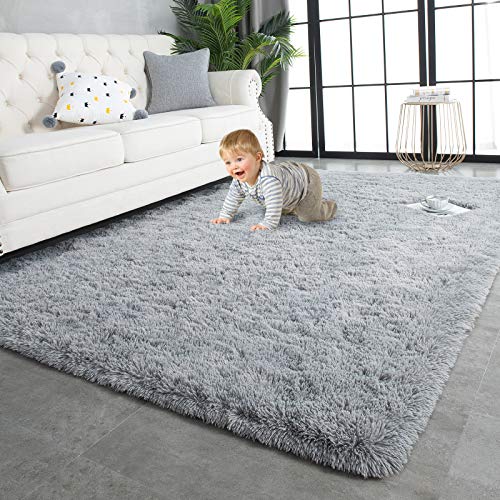
Shag: Plush Comfort
Shag rugs feature long pile (1.5-3 inches) that creates incredible softness and retro-chic appeal. Modern shags have evolved beyond 1970s aesthetics into sophisticated textures.
Characteristics:
– Long, loose fibers creating plush texture
– Solid colors or subtle tone-on-tone patterns
– Significant depth and dimension
– Ultimate softness underfoot
Works best with: Bedrooms, cozy reading nooks, spaces where you sit on the floor, or adding warmth to minimalist rooms. Not recommended for dining rooms (crumbs get trapped) or high-traffic areas (shows wear quickly).
Maintenance reality: Shag rugs require weekly vacuuming with a suction-only setting (beater bars damage fibers) and professional cleaning annually. Budget $150-300 per cleaning. Browse high-pile shag rugs for texture options.
Flatweave: Durable Simplicity
Flatweave rugs (kilims, dhurries) have no pile, creating a thin, reversible rug perfect for layering or high-traffic areas.
Characteristics:
– No pile—woven flat like fabric
– Reversible (both sides usable)
– Geometric or striped patterns most common
– Lightweight and easy to move
Works best with: Layering over larger rugs, high-traffic areas where you want pattern without bulk, under dining tables (chairs slide easily), or in spaces with limited clearance under doors.
Value advantage: Flatweaves cost 30-50% less than pile rugs in similar materials. A 9×12 wool flatweave runs $800-1,800 versus $1,600-4,300 for a pile rug.
Rug Care and Maintenance: Protecting Your Investment
Proper maintenance extends rug life by 5-10 years and keeps it looking presentable throughout. Here’s what actually works based on years of real-world testing.
Vacuum Regularly (But Correctly)
Frequency:
– High-traffic areas: 2-3 times weekly
– Medium-traffic: weekly
– Low-traffic: every 10-14 days
Technique matters:
– Use suction-only setting for shag, silk, and delicate rugs (beater bars damage fibers)
– Vacuum in the direction of the pile, not against it
– Vacuum rug pad underneath every 2-3 months to prevent dust buildup
Common mistake: Over-vacuuming with beater bars wears rugs prematurely. If you see fiber damage or excessive shedding, switch to suction-only.
Rotate Every 6-12 Months
Rotating your rug 180 degrees ensures even wear and prevents sun fading in one area. This single habit extends rug life by 3-5 years.
When to rotate:
– Every 6 months for high-traffic areas
– Annually for medium to low-traffic spaces
– After rearranging furniture
Sun fading note: Rugs in direct sunlight fade 40-60% faster than those in indirect light. Rotate more frequently (every 3-4 months) or use UV-filtering window treatments.
Address Spills Immediately
The first 60 seconds after a spill determines whether it becomes a permanent stain.
Emergency protocol:
1. Blot (never rub) with clean white cloth or paper towels
2. Work from outside of spill toward center to prevent spreading
3. For water-based spills: blot with damp cloth, then dry cloth
4. For oil-based spills: sprinkle cornstarch or baking soda, let sit 15 minutes, vacuum, then blot with dish soap solution (1 tsp soap to 1 cup water)
Material-specific notes:
– Wool: Has 30-60 second window before liquid absorbs (thanks to lanolin)
– Cotton/Synthetic: Absorbs immediately—speed is critical
– Jute/Sisal: Water stains permanently—blot but expect discoloration
– Viscose: Any moisture stains permanently—professional cleaning only
Professional Cleaning Schedule
Even with diligent vacuuming, rugs need deep cleaning to remove embedded dirt that causes fiber abrasion.
Recommended frequency:
– High-traffic areas: annually
– Medium-traffic: every 18-24 months
– Low-traffic: every 2-3 years
Cost reality: Professional rug cleaning costs $2-5 per square foot. A 9×12 rug (108 sq ft) costs $200-500 per cleaning depending on material and local rates.
DIY vs. Professional: Rental carpet cleaners and DIY methods can damage rugs by over-wetting them (causing mold, shrinkage, or dye bleeding). Professional cleaners use material-appropriate methods—worth the investment for rugs over $500.
Use a Quality Rug Pad (Non-Negotiable)
A rug pad is the single most important accessory for extending rug life. It prevents slipping, adds cushioning, and reduces friction between rug and floor.
Benefits:
– Prevents 60-80% of wear caused by friction
– Stops slipping (safety issue, especially for elderly)
– Adds cushioning that makes rugs feel more luxurious
– Protects hardwood floors from dye transfer and scratches
Sizing: Rug pad should be 1-2 inches smaller than your rug on all sides (so it’s not visible).
Material choice:
– Felt + rubber for hardwood (prevents slipping without damaging finish)
– Rubber only for tile or stone
– Avoid PVC pads on hardwood (can damage finish)
Cost: $50-200 depending on size—minimal investment for significant protection. Search rug pads for hardwood floors for safe options.
Budget Planning: What to Expect at Each Price Point
Understanding realistic pricing prevents disappointment and helps you allocate budget appropriately.
Budget Tier ($200-600 for 8×10)
- Materials: Polypropylene, polyester, machine-made cotton
- Lifespan: 3-5 years with moderate use
- Best for: Rentals, temporary spaces, trying out styles, kids’ rooms where spills are frequent
- Trade-offs: Less durable, may look worn within 2-3 years, limited texture depth
Mid-Range Tier ($600-1,500 for 8×10)
- Materials: Nylon, hand-tufted wool blends, quality cotton, flatweave wool
- Lifespan: 7-10 years with proper care
- Best for: Most homeowners seeking balance of quality and value
- Sweet spot: This tier offers 70-80% of the performance of luxury rugs at 40-50% of the cost
Premium Tier ($1,500-4,000 for 8×10)
- Materials: Hand-knotted wool, high-quality hand-tufted wool, wool-silk blends
- Lifespan: 15-25+ years
- Best for: High-traffic areas in long-term homes, heirloom pieces, design-focused spaces
- Investment value: Cost per year of use often equals or beats mid-range options
Luxury/Investment Tier ($4,000+ for 8×10)
- Materials: Hand-knotted Persian/Oriental, pure silk, antique or semi-antique pieces
- Lifespan: 50+ years (often multi-generational)
- Best for: Collectors, formal spaces, investment pieces that appreciate in value
- Consideration: These are art pieces that happen to be functional—buy for beauty and legacy, not just utility
Frequently Asked Questions
What size rug do I need for a sectional sofa?
For sectional sofas, measure the longest length and widest width of your sectional arrangement, then add 18-24 inches on all sides. Most standard sectionals (100-120 inches long) require a 10×14 or 12×15 rug for all legs to rest on the rug. If budget limits you, ensure at least the front legs of the sectional sit on the rug—typically requiring a 9×12 minimum. The rug should extend beyond the sectional on all sides to create visual balance. For more sectional styling tips, see our guide to affordable sectional sofas.
How do I choose between wool and synthetic rugs?
Choose wool if you’re staying in your home 5+ years, have high-traffic areas, want natural materials, and can invest $1,500+ for an 8×10 rug. Wool lasts 15-25 years, resists stains naturally, and develops beautiful patina. Choose synthetic (nylon or polypropylene) if you’re in a rental or starter home, need outdoor/moisture-resistant options, have a budget under $1,000 for an 8×10, or want easy maintenance. Synthetics last 5-10 years and perform well for their cost. For families with young children, nylon offers the best balance—nearly as durable as wool at half the price.
Can I use an outdoor rug indoors?
Yes, outdoor rugs (typically polypropylene) work well indoors for high-traffic areas, mudrooms, basements, or homes with pets. They’re extremely durable and easy to clean—you can literally hose them down. However, they feel less plush than indoor rugs and have a more utilitarian aesthetic. They’re excellent practical choices for entryways, sunrooms, or under dining tables where spills are common, but most people prefer softer materials like wool or nylon for primary living spaces where comfort matters.
How often should I replace my rug?
Replace rugs when they show significant wear (visible thinning, permanent stains, fraying edges) or no longer suit your style—typically 5-8 years for synthetic rugs, 10-15 years for mid-range wool, and 20+ years for premium wool. However, quality wool rugs often look better with age, developing character rather than looking worn. If your rug still feels structurally sound and you like the look, there’s no need to replace it. Professional cleaning every 1-2 years can extend life significantly. Budget rugs under $500 typically need replacement every 3-5 years.
What’s the best rug material for pets?
Nylon and polypropylene are the best rug materials for pet owners. Both resist staining, clean easily, and hold up to wear from claws and activity. Nylon feels softer and looks more refined, while polypropylene handles moisture better (ideal if accidents are common). Avoid cotton (stains easily and holds odors), viscose (ruins with moisture), and silk (too delicate). If you prefer natural fibers, choose tightly woven wool—it resists stains well and can be professionally cleaned to remove pet odors. Darker colors and patterns hide fur and minor stains better than light solids.
Should I buy a rug online or in-store?
Both have advantages. Buy in-store if you’re uncertain about color, texture, or quality—seeing and touching rugs prevents costly mistakes. Buy online for better selection, competitive pricing (often 20-30% less than retail), and convenience. If buying online, order samples first ($5-15 each, often refundable), check return policies carefully (look for free returns), and read reviews mentioning color accuracy and texture. I’ve had success with both methods—online for standard sizes and styles where I’m confident, in-store for unusual sizes or when color matching is critical. Many retailers now offer “try at home” programs combining both advantages.
Ready to Find Your Perfect Rug?
Choosing the right rug transforms your space from simply furnished to thoughtfully designed. By matching material to your lifestyle needs, sizing appropriately for your room, and selecting a style that complements your aesthetic, you’ll invest in a piece that enhances your home for years to come.
Start by identifying your highest-priority room and measuring carefully. Determine your realistic budget, then focus on material selection based on traffic level and maintenance preferences. Remember that a quality rug is an investment—the cost per year of use for a $2,000 wool rug lasting 20 years ($100/year) often beats replacing a $400 synthetic rug every 4 years.
For high-traffic areas, explore durable rug options that balance performance and style. And don’t forget that rug pad—it’s the difference between a rug that lasts 8 years and one that lasts 15.
Your floor is the foundation of your room’s design. Choose wisely, maintain properly, and enjoy the transformation a perfect rug brings to your home.