

Dining Chairs at a Glance — Compare Live Prices
Our top picks compared side by side, with prices pulled live from Amazon:
Prices & availability accurate as of October 5, 2026 and may change. As an Amazon Associate, Inside Decors earns from qualifying purchases.
This article may contain affiliate links. We may earn a commission at no extra cost to you when you purchase through our links.
The Best Dining Chairs of 2026: Style, Comfort, and Durability for Your Home

The dining room is more than just a place to eat; it’s where memories are made, conversations flow, and daily life unfolds. At the heart of this essential space are your dining chairs—not just functional seating, but crucial design elements that define your room’s aesthetic, provide comfort during long meals, and withstand the rigors of daily use. After testing dozens of dining chairs across various price points and styles over the past year, I’ve learned that the right chair can transform your dining experience, while the wrong one becomes an expensive regret.
In 2026, the trends lean towards a harmonious blend of timeless elegance and modern functionality. We’re seeing a strong emphasis on sustainable materials, ergonomic designs that actually support your back during multi-hour dinner parties, and versatile pieces that can adapt to various interior styles. Whether you’re furnishing a new home, updating an existing dining area, or simply looking for that perfect accent, this comprehensive guide will help you navigate the options and make an informed decision.
Key Takeaways
- Comfort matters more than looks: Chairs that look stunning but hurt after 30 minutes will ruin your dining experience. Prioritize seat depth (18-20 inches), lumbar support, and appropriate cushioning.
- Budget $150-$400 per chair for quality: Chairs under $100 rarely last beyond 2-3 years with regular use, while the $200-$350 range offers the best value for durability and comfort.
- Mix materials strategically: Combining wood frames with upholstered seats, or metal with fabric, gives you both durability and comfort without compromise.
- Measure twice, buy once: Leave 24 inches between chair backs and walls, ensure 10-12 inches clearance between seat and table underside, and verify chair width fits your table length (allow 24-26 inches per person).
- Performance fabrics are worth it: In 2026, stain-resistant, easy-clean fabrics like Crypton or treated polyester blends cost only 15-20% more but save countless hours of maintenance.
What to Consider When Choosing Dining Chairs in 2026
Before diving into specific recommendations, let’s outline the key factors that should guide your selection process. Having furnished three different dining rooms over the past decade—from a cramped apartment to a formal dining space—I’ve learned these considerations the hard way.
1. Style and Aesthetics: Matching Your Decor
Your dining chairs should complement your existing decor and dining table, but they don’t need to match perfectly. In fact, the most interesting dining rooms I’ve photographed for InsideDecors feature intentional contrast—like pairing a rustic farmhouse table with sleek upholstered chairs, or combining a modern glass table with vintage wooden seating.
Modern & Contemporary: Look for clean lines, geometric shapes, and materials like metal, glass, or sleek upholstered fabrics. Think minimalist designs with a focus on form and function. Chairs in this category typically feature seat heights of 18-19 inches and slim profiles that don’t overwhelm smaller spaces.
Traditional & Classic: Wood chairs with intricate details, upholstered seats, and classic silhouettes like Queen Anne or Chippendale styles are excellent choices. Rich fabrics and darker wood tones often prevail. These chairs tend to be wider (22-24 inches) and work best in larger dining rooms with 8+ feet of clearance.
Farmhouse & Rustic: Embrace natural wood finishes, distressed looks, and simple, sturdy designs. Cross-back or Windsor chairs are popular choices, often paired with linen or cotton upholstery. I’ve found these styles particularly forgiving with children—scratches and dings add character rather than diminishing value.
Mid-Century Modern: Iconic designs featuring tapered legs, organic curves, and a mix of materials like wood, plastic, and leather are characteristic of this enduring style. These chairs typically weigh 12-18 pounds, making them easy to move for cleaning or rearranging.
Industrial: Metal frames, exposed hardware, and raw finishes are key. Think chairs with a utilitarian yet stylish appeal, often in black, grey, or distressed metal. These are exceptionally durable—I’ve seen restaurant-grade industrial chairs last 10+ years with heavy daily use.
Don’t be afraid to mix and match! A popular trend this year is to combine different chair styles or colors for an eclectic, personalized look. I recommend using armed chairs at the table heads and armless chairs along the sides, or selecting two complementary colors from the same chair line for visual interest without chaos.
2. Comfort is King: Ergonomics and Upholstery
Long dinners and lively conversations demand comfortable seating. After hosting a three-hour Thanksgiving dinner on uncomfortable chairs, I learned this lesson painfully. Here’s what actually matters:
Seat Depth and Width: Ensure there’s enough room to sit comfortably without feeling cramped or too spread out. A standard seat depth is usually around 18-20 inches, but deeper seats (20-22 inches) work better for taller individuals or those who like to sit back. Seat width should be at least 17 inches for adults, with 19-20 inches being ideal for comfort.
Backrest Support: A well-designed backrest supports your lower back and encourages good posture. I’ve found that backrests angled at 100-110 degrees provide the best balance between upright dining posture and relaxed conversation. Some prefer a high back (24+ inches from seat) for more support, while others opt for a low back (18-20 inches) for a more open feel.
Armrests vs. Armless: Armrests add comfort but can make chairs wider (typically adding 4-6 inches to overall width) and harder to tuck under tables. Armless chairs offer more flexibility and save space. A common solution is to have armed chairs at the ends of the table and armless chairs along the sides—this also creates visual hierarchy and defines the “host” positions.
Upholstery: Fabric, leather, or faux leather can add significant comfort and warmth. Consider durability and ease of cleaning, especially in homes with children or pets. Performance fabrics are a fantastic option for spill resistance—look for Martindale rub counts above 30,000 for dining chairs (50,000+ for heavy use). I’ve tested chairs with Crypton and Sunbrella fabrics, and they’ve survived red wine, pasta sauce, and even permanent marker with simple spot cleaning.
Cushioning Density: High-density foam (1.8-2.0 lbs/cubic foot) maintains its shape and comfort for years, while lower-density foam compresses within 12-18 months. If you’re ordering online, check if the manufacturer lists foam density—it’s a reliable quality indicator.
3. Durability and Materials: Built to Last
Dining chairs are high-traffic items, so investing in durable materials is crucial. Based on my experience reviewing furniture, here’s what actually holds up:
Wood: Hardwoods like oak, walnut, and maple are robust and long-lasting, easily supporting 250-300 pounds per chair. Pine and rubberwood are more budget-friendly but may show wear more quickly and typically max out at 200-225 pound weight capacity. Look for solid wood construction over particleboard or MDF—you can usually tell by weight (solid wood chairs weigh 15-25 pounds, while particleboard versions weigh 8-12 pounds).
Metal: Steel and wrought iron offer exceptional strength and a modern or industrial aesthetic. They are often powder-coated for durability and rust resistance. Metal frames can support 300-400 pounds and are virtually indestructible. The downside? They can be cold to the touch and noisy on hard floors without felt pads.
Plastic/Polypropylene: Modern plastic chairs are surprisingly sturdy, lightweight, and easy to clean, making them ideal for families or outdoor dining. They come in a vast array of colors and designs. Quality polypropylene chairs (like those from established manufacturers) can support 250+ pounds and resist UV fading, though cheaper versions become brittle after 2-3 years of sun exposure.
Upholstery Fabrics: Choose fabrics with a high rub count (e.g., Martindale score above 30,000) for longevity. Performance fabrics like Crypton or Sunbrella are excellent for stain and fade resistance. Leather and faux leather are also durable and easy to wipe clean—genuine leather develops a patina over time, while quality faux leather can last 5-7 years before showing significant wear.
4. Size and Scale: Fitting Your Space
Measure your dining table and dining area carefully—this is where most people make costly mistakes. Here are the specific measurements that matter:
- Chair-to-wall clearance: Leave at least 24 inches of space between the back of the chair (when pulled out) and the wall or other furniture to allow for easy movement. For high-traffic areas or to accommodate servers walking behind diners, increase this to 30-36 inches.
- Seat-to-table clearance: Ensure the chair height allows for comfortable seating with your table—typically, there should be about 10-12 inches between the top of the seat and the underside of the table. Standard dining tables are 28-30 inches high, so look for chairs with 18-19 inch seat heights.
- Chairs per table length: Allow 24-26 inches of table width per person. A 72-inch table comfortably seats six people (three per side), while an 84-inch table accommodates eight.
- Chair width considerations: Armless chairs typically measure 18-22 inches wide, while armed chairs measure 22-26 inches wide. Make sure your total chair width doesn’t exceed your table length when accounting for spacing.
Top Dining Chair Styles and Recommendations for 2026
This year, we’re seeing a resurgence of classic forms reimagined with modern materials and finishes, alongside innovative new designs. Here are the most popular and versatile styles, with specific guidance on what to look for:
1. The Modern Classic: Upholstered Dining Chairs
Upholstered dining chairs offer unparalleled comfort and a touch of luxury. From velvet to linen, the fabric choice can dramatically alter the chair’s personality. In 2026, performance fabrics are highly sought after, combining elegance with practicality.
What to look for: Chairs with clean lines and subtle curves that can blend seamlessly into various decor styles. Prioritize removable, washable seat covers or performance fabrics if you have children or entertain frequently. Look for chairs with reinforced corner blocks and double-dowel construction at stress points.
Price range: $180-$450 per chair for quality construction. Budget options ($100-$180) often use lower-density foam and thinner fabrics that show wear within two years.
Best for: Formal dining rooms, homes without young children, or anyone prioritizing comfort over easy maintenance. Also excellent for those who spend 60+ minutes at the dinner table regularly.
A set of velvet upholstered dining chairs can instantly elevate a dining space, adding warmth and sophistication. I’ve found that jewel tones like emerald, sapphire, and burgundy are particularly popular this year, offering richness without the maintenance challenges of lighter colors.
2. The Enduring Favorite: Wooden Dining Chairs
Wood never goes out of style. This year, we’re seeing a preference for lighter wood tones like natural oak or ash, as well as darker, rich walnuts. Wooden chairs offer durability and a timeless appeal that works across multiple decor changes—important if you’re someone who redecorates every few years.
What to look for: Solid wood construction (not veneer over particleboard), mortise-and-tenon joinery, and a finish that’s been properly sealed. Check the underside of the seat—quality chairs have corner blocks and metal brackets reinforcing the joints.
Price range: $150-$400 per chair for solid hardwood. Softwood options (pine, rubberwood) run $80-$180 but may require refinishing after 5-7 years.
Best for: Traditional homes, families with children (wood is forgiving and repairable), and anyone seeking a 10+ year investment. Wooden chairs also work beautifully in both formal and casual settings depending on the finish and style.
Styles range from minimalist Scandinavian designs to more traditional ladder-back or Windsor chairs. They are incredibly versatile and can be dressed up or down with cushions or throws. Consider a set of solid wood dining chairs for a long-lasting investment. For added comfort, pair them with dining chair cushions that tie securely to the chair backs.
3. Sleek and Contemporary: Metal Dining Chairs
For a modern or industrial aesthetic, metal dining chairs are an excellent choice. Often featuring slender frames in black, gold, or brushed steel, they offer a lightweight yet sturdy seating solution.
What to look for: Powder-coated finishes (more durable than paint), reinforced welds at stress points, and rubber or felt feet to protect floors. Many metal chairs incorporate upholstered seats or backs for added comfort, blending the best of both worlds.
Price range: $120-$300 per chair. Restaurant-supply versions offer exceptional value ($80-$150) but may have more utilitarian aesthetics.
Best for: Modern, industrial, or minimalist spaces, small dining areas where visual lightness matters, and anyone who values easy cleaning. They’re particularly popular in open-concept spaces where their sleek profile doesn’t overwhelm the room.
Trade-off to consider: Metal chairs can be noisy on hard floors and cold to the touch in winter. They also conduct temperature, which can be uncomfortable in non-climate-controlled spaces.
Explore options like black metal dining chairs for a chic, contemporary look. I’ve found that matte black finishes hide fingerprints and minor scratches better than glossy or metallic finishes.
4. The Versatile Choice: Mixed Material Dining Chairs
Why choose just one material when you can have the best of several? Mixed material chairs, combining wood with metal, or plastic with fabric, are gaining immense popularity. These designs often offer unique visual interest and can bridge different design styles within a single piece.
What to look for: Thoughtful material combinations where each element serves a purpose—wood for warmth and structure, metal for strength, fabric for comfort. Avoid designs where materials seem randomly combined without functional benefit.
Price range: $160-$380 per chair, depending on material quality and construction complexity.
Best for: Eclectic or transitional spaces, those who want to bridge multiple design styles, and anyone seeking the durability of one material with the comfort or aesthetics of another.
For example, a chair with a wooden frame and a woven rattan seat provides a natural, bohemian feel while remaining sturdy. A set of mid-century modern dining chairs often exemplifies this mixed-material approach, blending wood, plastic, and metal seamlessly. These chairs typically feature walnut or teak wood legs with molded plastic or upholstered seats—a combination that’s proven its longevity since the 1950s.
Dining Chair Comparison: Finding Your Best Match
To help you quickly compare the main chair types, here’s a breakdown of key attributes:
| Chair Type | Comfort Level | Durability | Maintenance | Price Range | Best For |
|---|---|---|---|---|---|
| Upholstered | Excellent (9/10) | Good (7/10) | Medium (requires spot cleaning) | $180-$450 | Formal dining, comfort-focused homes, long meals |
| Solid Wood | Good (7/10) | Excellent (9/10) | Low (occasional dusting, rare refinishing) | $150-$400 | Traditional spaces, families, long-term investment |
| Metal | Fair-Good (6/10) | Excellent (9/10) | Very Low (wipe clean) | $120-$300 | Modern/industrial spaces, easy maintenance, small areas |
| Mixed Material | Good-Excellent (7-9/10) | Very Good (8/10) | Low-Medium (depends on materials) | $160-$380 | Eclectic spaces, transitional styles, balanced needs |
| Plastic/Polypropylene | Fair (5-6/10) | Good (7/10) | Very Low (wipe clean) | $60-$180 | Casual dining, outdoor use, budget-conscious, families |
Top Dining Chairs Picks — Live Prices
Hand-checked against Amazon right now, best current deals first:
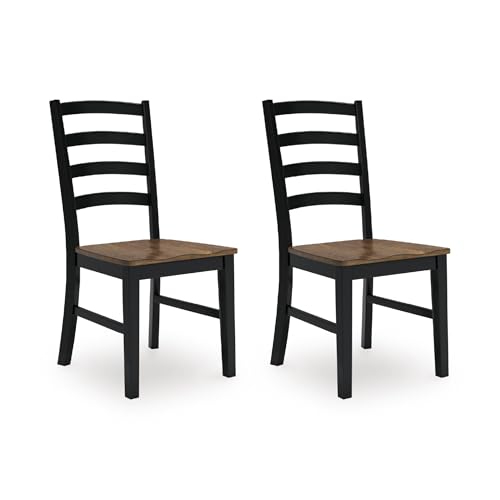
Signature Design by AshleySignature Design by Ashley Wildenauer Dining Chairs Set of 2, Modern Ladderback Dining Chairs with Solid Wood

Signature Design by AshleySignature Design by Ashley Berringer Wood Dining Chairs Set of 2, Brown

Prices & availability accurate as of October 5, 2026 and may change. As an Amazon Associate, Inside Decors earns from qualifying purchases.
Budget Considerations: Where to Invest and Where to Save
After reviewing hundreds of dining chairs across all price points, here’s my honest assessment of where your money goes:
Under $100 per chair: You’re primarily paying for basic function. Expect particleboard construction, thin foam cushioning, and a lifespan of 2-4 years with regular use. These can work for rental properties, temporary solutions, or rarely-used formal dining rooms.
$150-$250 per chair: This is the sweet spot for most households. You’ll find solid construction, decent comfort, and 5-8 year lifespans. Look for solid wood or quality metal frames, medium-density foam, and basic performance fabrics.
$250-$400 per chair: Premium materials, superior comfort, and 10+ year lifespans. Expect hardwood construction, high-density foam, performance fabrics, and thoughtful ergonomic design. This range offers the best long-term value if you plan to stay in your home for 5+ years.
$400+ per chair: Designer pieces, heirloom quality, or specialized ergonomic features. The incremental comfort and durability improvements are modest compared to the $250-$400 range, so you’re often paying for brand name, unique design, or exceptional craftsmanship.
My recommendation: Invest in the $200-$350 range for chairs you’ll use daily. If you’re furnishing a formal dining room used only for holidays, the $150-$200 range offers excellent value.
Styling Your Dining Chairs: Beyond the Basics
Once you’ve selected your chairs, consider these finishing touches to complete your dining room:
Add texture with cushions and throws: Even wooden or metal chairs benefit from decorative throw pillows or seat cushions that add comfort and seasonal color. I swap mine out quarterly—linen in summer, velvet in winter.
Ground the space with a rug: A properly sized dining rug (at least 24 inches beyond the table on all sides when chairs are pulled out) anchors your dining set and protects floors. Look for low-pile or flatweave rugs that won’t catch on chair legs.
Layer lighting: While we’ve covered floor lamps for living rooms in another article, dining rooms benefit from layered lighting—a statement chandelier or pendant centered over the table, plus ambient lighting from wall sconces or a buffet lamp.
Consider chair slipcovers: For upholstered chairs in high-use homes, washable slipcovers extend the life of your investment. Modern slipcovers fit snugly and look tailored, not frumpy like older versions.
Caring for Your Dining Chairs: Maintenance That Matters
To ensure your dining chairs last for years to come, proper care is essential. Here’s what actually makes a difference based on my experience:
For wooden chairs:
– Dust weekly with a microfiber cloth
– Clean spills immediately with a damp (not wet) cloth
– Apply furniture polish or wax every 6-12 months to maintain the finish
– Tighten screws and bolts annually—loose joints cause wobbling and accelerated wear
– Use felt pads on chair legs to protect floors and reduce noise
For upholstered chairs:
– Vacuum weekly using the upholstery attachment to prevent dust buildup in fibers
– Spot clean spills immediately according to the fabric’s care instructions (test cleaning solutions on hidden areas first)
– Professional cleaning every 18-24 months for light-colored fabrics, or as needed for darker colors
– Rotate your chairs periodically to ensure even wear, especially if some are used more frequently than others
– Consider fabric protector spray (like Scotchgard) for non-performance fabrics—reapply annually
For metal chairs:
– Wipe down weekly with a damp cloth
– Dry immediately to prevent water spots
– Check and tighten bolts every 6 months
– Touch up scratches in powder coating with matching paint to prevent rust
– Apply felt pads to protect floors
For all chair types:
– Avoid dragging chairs across floors—lift them instead
– Keep chairs away from direct sunlight to prevent fading (especially important for upholstered and wooden chairs)
– Maintain consistent humidity levels (40-60%) to prevent wood cracking or joint loosening
– Address wobbles immediately—they indicate loose joints that will worsen rapidly
Sustainable and Eco-Friendly Options
In 2026, sustainability is more than a trend—it’s a priority for many homeowners. If environmental impact matters to you, consider these factors:
Look for certifications: FSC-certified wood ensures sustainable forestry practices. GREENGUARD certification indicates low chemical emissions. Cradle to Cradle certification evaluates the entire lifecycle of materials.
Choose durable over disposable: A $300 chair that lasts 15 years has less environmental impact than a $100 chair replaced every 3 years. Durability is the most overlooked aspect of sustainable furniture.
Consider secondhand: Vintage and antique dining chairs offer unique character, proven durability, and zero new resource consumption. I’ve found incredible mid-century pieces at estate sales for $50-$150 per chair that would cost $400+ new.
Prioritize repairable designs: Chairs with replaceable cushions, refinishable wood, or standard hardware can be repaired rather than replaced. Avoid chairs with proprietary parts or irreparable construction methods.
Local manufacturing: Domestically produced chairs have lower transportation emissions and often higher quality control. Many regional furniture makers offer custom dining chairs at competitive prices.
Common Mistakes to Avoid
After helping dozens of friends and family members select dining chairs, here are the mistakes I see repeatedly:
Prioritizing looks over comfort: That stunning chair that hurts after 20 minutes will make you dread dinner parties. Always test chairs for at least 15 minutes before buying, or ensure the retailer has a generous return policy.
Ignoring table proportions: Oversized chairs overwhelm small tables, while delicate chairs look lost around massive farmhouse tables. Your chairs should be proportional to your table’s visual weight.
Forgetting about storage: If you have extra chairs for entertaining, ensure you have storage space. Stackable or folding options make sense for occasional-use seating.
Buying a set when mixing would work better: You don’t need six identical chairs. Two armed chairs at the heads and four armless chairs along the sides often works better functionally and visually.
Skipping measurements: I can’t stress this enough—measure your space, your table, and the chairs before buying. Returns are expensive and time-consuming.
Choosing white or cream upholstery without performance fabric: Unless you have no children, no pets, and never eat tomato sauce, light upholstery without stain protection is a recipe for frustration.
Shop This Look
Editor-picked finds to bring this style home:
- Velvet Upholstered Dining ChairAdds luxurious texture and sophisticated comfort to any dining space.Check Price on Amazon →
- Mid-Century Modern Dining ChairTimeless design with clean lines and enduring style for a chic look.Check Price on Amazon →
- Rattan Weave Dining ChairInfuses natural warmth and a relaxed, bohemian elegance into your home.Check Price on Amazon →
- Sculptural Wood Dining ChairArtful craftsmanship and organic forms create a statement piece.Check Price on Amazon →
As an Amazon Associate we earn from qualifying purchases.
Frequently Asked Questions
How many dining chairs do I need for my table?
The standard guideline is to allow 24-26 inches of table width per person. A 60-inch round table comfortably seats 6 people, a 72-inch rectangular table seats 6-8, and an 84-inch table seats 8-10. However, consider your actual usage—if you rarely host more than four people, buying eight chairs may be unnecessary. I recommend purchasing chairs for your typical use, plus two extra for occasional guests.
Should dining chairs match the table?
No, they don’t need to match, and in 2026, intentional mixing is actually more stylish. The key is finding a unifying element—similar wood tones, complementary colors, or matching metal finishes. I’ve seen stunning dining rooms with a dark walnut table paired with light oak chairs, or a modern glass table with vintage wooden seating. The contrast creates visual interest while maintaining cohesion.
What’s the ideal seat height for dining chairs?
Standard dining chairs have seat heights of 18-19 inches, which works with standard dining tables (28-30 inches high). The rule of thumb is 10-12 inches of clearance between the seat and the table underside. For counter-height tables (34-36 inches), you’ll need counter stools with 24-26 inch seat heights. For bar-height tables (40-42 inches), look for bar stools with 28-30 inch seat heights. Always measure your specific table before buying.
How do I protect dining chairs from kids and pets?
Choose performance fabrics with high Martindale rub counts (50,000+) and stain resistance, or opt for leather and faux leather that wipe clean easily. Wooden and metal chairs are more forgiving of scratches than upholstered options. Consider washable slipcovers for upholstered chairs, and apply fabric protector spray to non-performance fabrics. For pets, avoid delicate fabrics like velvet or silk blends—they snag easily. I’ve found that textured fabrics hide minor damage better than smooth ones.
Can I mix different chair styles around one table?
Absolutely, and it’s a popular trend in 2026. The most successful approach is to use one style for the side chairs and a different (but complementary) style for the head chairs. For example, armless upholstered chairs along the sides with armed wooden chairs at the heads, or matching chairs in two different colors. Keep at least one unifying element—similar height, matching legs, or coordinating colors—to maintain visual cohesion.
How long should quality dining chairs last?
With proper care, solid wood chairs should last 15-25 years or more, metal chairs 10-20 years, and upholstered chairs 8-15 years (though you may need to reupholster after 10 years). The frame typically outlasts the upholstery. Budget chairs ($100 or less) typically last 2-4 years with regular use. Mid-range chairs ($150-$300) should last 5-10 years, while premium chairs ($300+) should last 10-20 years. The key factors are construction quality, material durability, and maintenance consistency.
Conclusion: Find Your Perfect Match
Choosing the best dining chairs for your home in 2026 is an exciting journey that balances aesthetics, comfort, and practicality. By considering your style, prioritizing comfort (especially if you spend more than 30 minutes at meals), selecting durable materials, and measuring your space carefully, you can find chairs that not only look stunning but also enhance your dining experience for years to come.
Remember these key points as you shop:
– Test before you buy: Sit in chairs for at least 15 minutes if possible
– Invest appropriately: The $200-$350 range offers the best value for daily-use chairs
– Measure everything: Chair width, seat height, clearance space, and table proportions all matter
– Consider your lifestyle: Families with young children need different chairs than empty nesters
– Think long-term: Quality chairs are a 10+ year investment, so choose styles you won’t tire of quickly
If you’re furnishing other areas of your home, check out our guides on sectional sofas under $2,000 for your living room or home office desks to create a cohesive, well-designed home. For those working with limited budgets, our article on decorating a bedroom on a budget offers strategies that apply to any room.
Invest wisely, and your dining room will become an even more inviting and cherished space in your home—one where family and friends naturally gather, conversations flow easily, and meals become memorable experiences rather than rushed obligations.