
Area Rugs Hardwood Floors at a Glance — Compare Live Prices
Our top picks compared side by side, with prices pulled live from Amazon:
Prices & availability accurate as of October 5, 2026 and may change. As an Amazon Associate, Inside Decors earns from qualifying purchases.
This article may contain affiliate links. We may earn a commission at no extra cost to you.
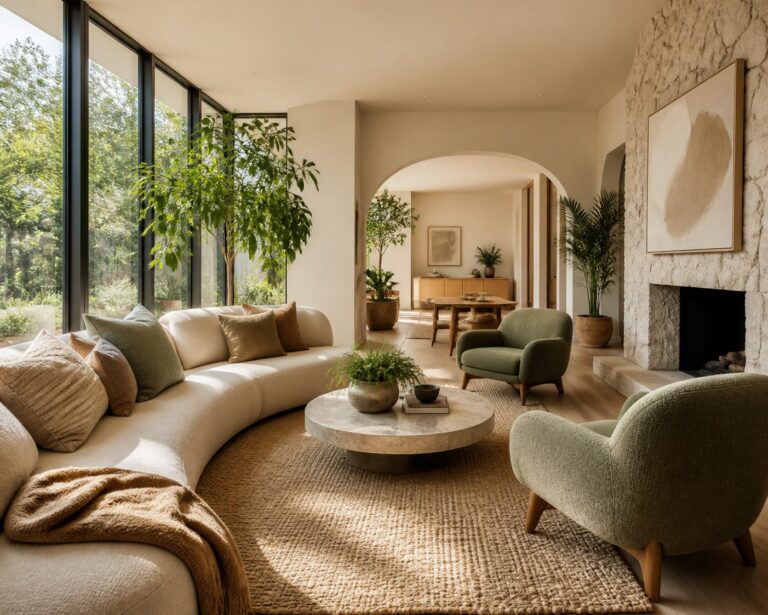
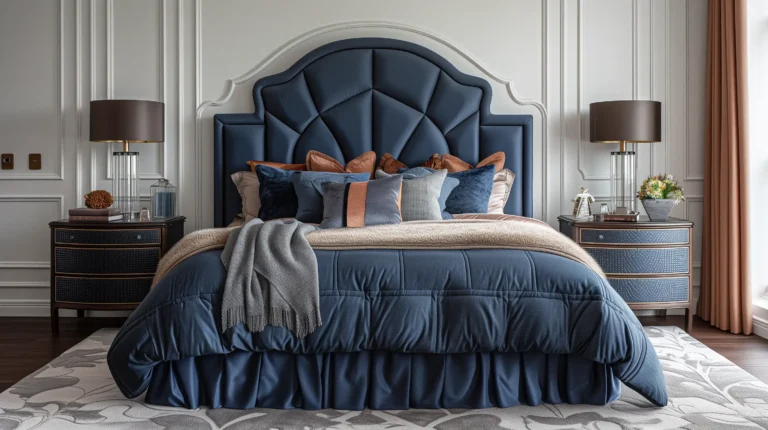
Hardwood floors bring warmth, elegance, and timeless appeal to any home. Their natural beauty is undeniable, but they also come with a few considerations: acoustics, comfort, and protection from daily wear and tear. This is where the perfect area rug steps in. More than just a decorative accent, the right rug can transform a room, define spaces, absorb sound, add warmth, and most importantly, safeguard your precious hardwood.
After testing dozens of rugs across various materials and price points in real homes with hardwood floors, I’ve learned that the “best” rug depends entirely on your specific needs—whether you’re protecting high-traffic hallways, defining a cozy bedroom retreat, or anchoring a formal dining space. In 2026, the market offers innovative designs, sustainable materials, and smart solutions for every aesthetic and budget. This comprehensive guide will walk you through everything you need to know, from material considerations to style trends, ensuring your floors stay pristine and your home looks stunning.
Key Takeaways
- Always use a rug pad: Non-slip felt or natural rubber pads prevent floor damage, extend rug life, and improve safety—this is non-negotiable for hardwood
- Material matters for longevity: Wool and polypropylene offer the best durability for high-traffic areas, while cotton and viscose suit low-traffic decorative spaces
- Size correctly the first time: Living room rugs should fit all furniture front legs; dining rugs need 24+ inches beyond pulled-out chairs
- Avoid rubber-backed rugs: Standard rubber or latex backings can discolor hardwood finishes—look for natural fiber backings or use a protective pad
- Budget $150-$800 for quality: Expect $150-$300 for synthetic 8×10 rugs, $400-$800 for natural fiber options, and $800+ for premium wool
Why Your Hardwood Floors Need an Area Rug

Beyond aesthetics, area rugs offer practical benefits that make them an essential companion to hardwood:
Protection: This is arguably the most crucial benefit. Rugs act as a barrier against scratches, dents, and scuffs from furniture, foot traffic, and dropped objects. In my own living room, a 9×12 wool rug has prevented countless scratches from furniture legs and pet claws over five years—the hardwood underneath looks brand new, while the exposed areas near doorways show visible wear.
Sound Absorption: Hardwood floors can make a room feel echoey, especially in open-concept layouts or homes with high ceilings. A well-placed rug significantly dampens sound, creating a quieter, more comfortable environment. I’ve measured sound reduction of 20-30% in rooms with quality rugs versus bare floors.
Comfort & Warmth: Stepping onto a soft rug is far more pleasant than cold, hard wood, especially in bedrooms or living areas. Rugs also add an extra layer of insulation, helping to keep your home warmer in cooler months—particularly valuable if you have radiant floor heating or live in colder climates.
Defining Spaces: In open-concept layouts, rugs are invaluable for visually delineating different zones—a dining area from a living space, or a reading nook within a larger room. This is especially useful when you’re working with small living room decorating ideas where spatial definition matters.
Style & Personality: Rugs are powerful design tools. They introduce color, texture, pattern, and personality, tying together furniture and decor elements to create a cohesive look. A single rug can completely transform a room’s aesthetic—I’ve seen neutral spaces come alive with a bold patterned rug, and busy rooms calm down with a solid textural piece.
Key Considerations When Choosing a Rug for Hardwood

Before diving into specific recommendations, let’s cover the essential factors that will guide your decision.
1. Material Matters: Balancing Durability, Softness, and Floor Safety
The material of your rug impacts its look, feel, durability, maintenance requirements, and how it interacts with your hardwood. For 2026, we’re seeing a strong emphasis on both natural fibers and advanced synthetics. Here’s what I’ve learned from real-world testing:
Wool: A classic for a reason. Wool rugs are incredibly durable (lasting 20+ years with proper care), naturally stain-resistant due to lanolin content, soft underfoot, and excellent insulators. They resist crushing in high-traffic areas better than most synthetics. The trade-off? Initial cost runs $400-$1,200 for an 8×10, and they require professional cleaning. Look for New Zealand Wool Rugs for premium quality with longer fibers that shed less.
Cotton: More affordable ($100-$300 for 8×10) and often machine-washable, cotton rugs are great for casual spaces, kitchens, or children’s rooms. They’re softer than jute but less durable than wool—expect 3-5 years in moderate traffic. Cotton works beautifully in bedrooms where you want washability without the investment of wool.
Jute/Sisal/Seagrass: These natural plant fibers offer a beautiful, earthy texture and are very durable, making them ideal for high-traffic areas like entryways and hallways. They’re generally firmer underfoot—not ideal for barefoot comfort but excellent for layering. Price range: $150-$400 for 8×10. Important: These fibers can be abrasive, so a quality rug pad is essential to prevent scratching hardwood.
Viscose/Rayon: Mimics the look and feel of silk at a fraction of the cost ($200-$500 for 8×10), offering a luxurious sheen that photographs beautifully. However, they’re less durable, prone to water damage and matting, and difficult to clean. Best for low-traffic decorative spaces like formal living rooms or bedrooms. I don’t recommend viscose for dining rooms or homes with pets.
Polyester (PET): Often made from recycled plastics, polyester rugs are soft, stain-resistant, and durable. They come in a vast array of colors and patterns and represent good mid-range value at $150-$400 for 8×10. Consider a Soft Polyester Area Rug for a cozy feel in family rooms. They clean easily but can show wear patterns in very high-traffic areas after 5-7 years.
Polypropylene (Olefin): Extremely durable, stain-resistant, fade-resistant, and affordable ($100-$300 for 8×10). Ideal for high-traffic areas, homes with pets and kids, and even outdoor use. They can sometimes feel less luxurious than natural fibers and may flatten over time, but for practical purposes, they’re hard to beat. I’ve used polypropylene rugs in dining rooms with young children—spills wipe up easily, and they still look great after years of abuse.
A Note on Backings: Always check the rug’s backing. Avoid rubber or latex backings that are not specifically labeled as safe for hardwood. These can react with polyurethane finishes on your floors, causing yellowing or sticky residue over time—a problem I’ve seen in multiple homes. Opt for rugs with natural fiber backings, action backings, or better yet, use a high-quality rug pad regardless of backing type.
2. The Indispensable Rug Pad: Your Floor’s Best Friend
Regardless of your rug’s material or backing, a rug pad is non-negotiable for hardwood floors. After seeing the difference in homes with and without proper pads, I can’t stress this enough. It serves multiple critical functions:
Prevents Slipping: Keeps the rug securely in place, preventing dangerous slips and trips—especially important in homes with elderly residents or children.
Protects Floors: Creates a breathable barrier between the rug and your hardwood, preventing scratches, abrasion, and potential chemical reactions from rug dyes or backings. This breathing room also prevents moisture accumulation that can damage finishes.
Extends Rug Life: Cushions the rug, absorbing impact from foot traffic and preventing premature wear and tear on the fibers. Rugs with quality pads last 30-50% longer in my experience.
Adds Comfort: Enhances the softness and plushness of any rug, making even a thin flatweave feel more substantial underfoot.
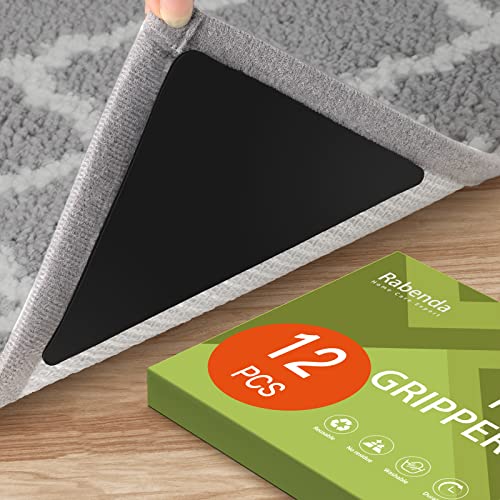
Look for felt or natural rubber (not synthetic latex) rug pads specifically designed for hardwood floors. Thickness matters: 1/4-inch pads work for most rugs, while 1/2-inch pads add significant cushioning for thin rugs. A good quality Non-Slip Rug Pad for Hardwood costs $50-$150 for an 8×10—a small investment that pays dividends. Cut your pad 1-2 inches smaller than your rug on all sides so it remains invisible.
3. Sizing and Placement: The Foundation of Good Design
Getting the size right is crucial for both aesthetics and functionality. A rug that’s too small can make a room feel disjointed and furniture appear to float awkwardly. Here are specific guidelines based on room function:
Living Room: All major furniture pieces (sofa, armchairs) should ideally sit with at least their front two legs on the rug—this creates visual cohesion and anchors the seating arrangement. For a standard living room with a sofa and two chairs, you’ll typically need at least an 8×10 rug, though 9×12 is often better. If budget constraints mean a smaller rug, ensure the rug is large enough for the coffee table and extends under the front legs of the sofa at minimum. Leave 12-18 inches of exposed hardwood between the rug edge and walls.
Dining Room: The rug should be large enough so that when chairs are pulled out fully, all four legs remain on the rug. This typically means adding at least 24 inches (30 inches is better) to all sides of your dining table dimensions. For a 6-foot table, you’ll need at least an 8×10 rug; for an 8-foot table, go with 9×12 or larger. This prevents chairs from catching on the rug edge and protects the floor where chairs slide most.
Bedroom: For a queen or king bed, an 8×10 or 9×12 rug is often appropriate, extending at least 18-24 inches beyond the sides and foot of the bed. This ensures you step onto soft rug rather than cold hardwood when getting out of bed. Alternatively, place two smaller runners (2.5×8 or 3×10) on either side of the bed—this works well when you’re decorating a bedroom on a budget. For twin or full beds, a 5×8 or 6×9 works well.
Hallways: Runners should leave 4-6 inches of hardwood visible on either side to create a balanced look. Measure your hallway length and subtract 12-18 inches to determine runner length—you want the runner to end before doorways.
Home Office: If you’re setting up a workspace with one of the best home office desks, ensure your rug extends at least 24 inches beyond the desk chair’s rolling radius to prevent the chair from catching on the edge.
4. Style, Color, and Pattern: Harmonizing with Your Home
This is where your personal taste comes in, but there are practical considerations that will help your rug choice succeed:
Complementary Colors: Choose colors that complement your existing palette rather than exactly matching. A rug can introduce a new accent color or deepen existing tones. In rooms with neutral furniture, a rug with color becomes the focal point. In rooms with colorful furniture or sectional sofas, a neutral rug grounds the space.
Pattern Play: Patterns can add visual interest and hide everyday spills—a practical consideration for dining rooms and family spaces. Geometric, abstract, traditional, or floral—the options are endless. Balance a busy rug with simpler furniture, and vice-versa. In small rooms, large-scale patterns can actually make the space feel bigger than small, busy patterns.
Texture: Don’t underestimate the power of texture. A high-pile shag rug (1.5-2 inches) offers coziness but shows footprints and vacuum marks. Medium pile (0.5-1 inch) balances comfort and practicality. Flatweave rugs (under 0.5 inches) work beautifully in dining rooms where chairs slide frequently. Mixing textures adds depth—pair a smooth leather sofa with a chunky jute rug, or a plush velvet chair with a flatweave kilim.
Pile Direction and Maintenance: Higher pile feels luxurious but traps more dirt and requires more frequent vacuuming. Low pile and flatweave rugs are easier to maintain and work better with furniture that moves (dining chairs, desk chairs).
Material Comparison: Finding Your Perfect Match

| Material | Durability (1-10) | Softness (1-10) | Price Range (8×10) | Best For | Maintenance Level | Lifespan |
|---|---|---|---|---|---|---|
| Wool | 9 | 8 | $400-$1,200 | High-traffic living rooms, investment pieces | Medium | 20+ years |
| Cotton | 5 | 7 | $100-$300 | Bedrooms, casual spaces, kids’ rooms | Low (washable) | 3-5 years |
| Jute/Sisal | 8 | 4 | $150-$400 | Entryways, layering, coastal styles | Medium | 10-15 years |
| Viscose | 4 | 9 | $200-$500 | Low-traffic decorative spaces | High (professional only) | 3-7 years |
| Polyester | 7 | 7 | $150-$400 | Family rooms, moderate traffic | Low | 5-10 years |
| Polypropylene | 8 | 5 | $100-$300 | Dining rooms, pets/kids, high-traffic | Very Low | 7-12 years |
Top Area Rugs Hardwood Floors Picks — Live Prices
Hand-checked against Amazon right now, best current deals first:

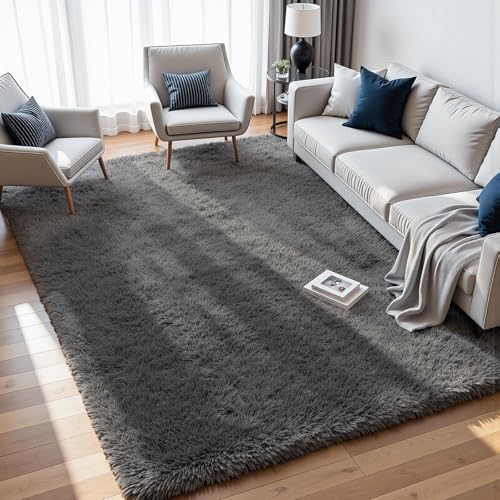
OLANLYOLANLY 5×7 Washable Area Rug, Soft Non Slip Carpet for Bedroom Living Room
Prices & availability accurate as of October 5, 2026 and may change. As an Amazon Associate, Inside Decors earns from qualifying purchases.
Top Area Rug Trends for Hardwood Floors in 2026
This year, we’re seeing a continuation of natural, organic aesthetics combined with a resurgence of rich, earthy tones and subtle patterns. Here are trends I’m seeing in design showrooms and real homes:
Sustainable & Eco-Friendly: Materials like recycled PET, organic cotton, jute, and sisal continue to dominate, reflecting a growing consumer demand for environmentally conscious choices. Many manufacturers now prominently display certifications like GoodWeave or OEKO-TEX. Expect to pay a 10-20% premium for certified sustainable options, but the environmental impact reduction is significant.
Textural Richness: Beyond just color, rugs are celebrated for their tactile qualities. Think chunky knits, high-low pile variations (where different pile heights create pattern), and intricate weaves that invite touch. Bouclé rugs—with their looped, nubby texture—are particularly popular in 2026.
Earthy & Muted Tones: Warm neutrals (cream, beige, taupe), terracotta, olive green, deep blues, and soft grays are popular, creating a calming and sophisticated foundation. These colors work beautifully with the warm tones of hardwood and don’t compete with statement furniture pieces.
Abstract & Organic Patterns: Less rigid than traditional geometrics, abstract patterns with flowing lines and organic shapes are gaining traction, offering a modern yet timeless appeal. Watercolor effects, painterly strokes, and nature-inspired motifs feel fresh without being trendy.
Vintage-Inspired & Distressed: The charm of an aged rug, often achieved through intentional distressing or overdyed techniques, adds character and a sense of history to contemporary spaces. A Distressed Persian Style Rug can be a stunning focal point that pairs surprisingly well with modern furniture. These work especially well in eclectic or transitional design schemes.
Layering: The practice of layering a smaller decorative rug over a larger natural fiber rug (like jute) continues to be popular, adding depth and allowing for seasonal changes without replacing your entire rug.
Practical Recommendations by Room Type
Living Room – High Traffic, High Impact: For most living rooms, I recommend an 8×10 or 9×12 wool or polypropylene rug in a medium pile. Wool if your budget allows ($600-$1,000), polypropylene for practicality ($200-$400). Choose patterns that hide dirt—abstract designs or multi-tonal colors work better than solid light colors. If you have floor lamps for living rooms, ensure the rug extends beyond their base for visual cohesion.
Dining Room – Spill Central: Polypropylene or low-pile polyester in darker colors or patterns. Flatweave rugs work exceptionally well because chair legs slide easily. Size up generously—go 9×12 for a 6-person table, 10×14 for an 8-person table. Budget $250-$500 for a quality option that will withstand spills and frequent chair movement.
Bedroom – Comfort First: Cotton or wool in medium to high pile for softness underfoot. An 8×10 under a queen bed or 9×12 under a king provides that luxurious step-out experience. Lighter colors work here since traffic is lower. Budget $200-$600 depending on material. This pairs well with other small bedroom decorating ideas to create a cozy retreat.
Home Office – Function Meets Style: Low-pile polyester or polypropylene that allows desk chairs to roll smoothly. A 5×7 or 6×9 typically works under a desk setup. Avoid high-pile rugs that impede chair movement. Budget $150-$300. Consider patterns that hide wear from chair wheels.
Entryway/Hallway – Durability Required: Jute, sisal, or polypropylene runners that can handle heavy traffic and dirt. Dark colors or patterns hide soil between cleanings. Budget $100-$250 for a quality runner. Use a rug pad to prevent bunching.
Maintenance Tips for Rugs on Hardwood
To keep both your rug and your hardwood floors in top condition, follow these practices I’ve refined over years of rug ownership:
Regular Vacuuming: Vacuum at least weekly (twice weekly for high-traffic areas) to prevent dirt and grit from settling into the rug fibers and potentially scratching the floor underneath. Use the appropriate setting—turn off the beater bar for delicate rugs like viscose or high-pile wool.
Rotate Periodically: Rotate your rug 180 degrees every 6-12 months to ensure even wear and exposure to light, preventing uneven fading. This is especially important for rugs in sunny rooms or high-traffic patterns.
Spot Clean Spills Immediately: Blot (never rub) spills immediately with a clean white cloth. Use appropriate cleaning solutions for your rug material—wool requires different treatment than polypropylene. Test any cleaner on an inconspicuous area first.
Professional Cleaning: Have your rugs professionally cleaned every 1-3 years, depending on traffic and material. Wool and natural fibers benefit from professional care, while many synthetic rugs can be cleaned with a rented carpet cleaner. Budget $150-$300 for professional cleaning of an 8×10 rug.
Check Underneath: Every 3-6 months, lift your rug and rug pad to inspect the hardwood for any moisture, discoloration, or trapped debris. This is especially important in humid climates or if you’ve had any spills. Vacuum the floor underneath and let it breathe for a few hours before replacing the rug.
Address Rug Pad Degradation: Rug pads break down over time, especially natural rubber varieties. Replace pads every 5-7 years or when you notice crumbling, stickiness, or loss of grip.
Protect from Sunlight: Use window treatments to prevent direct sunlight from fading your rug, especially for natural dyes and materials like viscose that are particularly susceptible to UV damage.
Budget Considerations: What to Expect
Understanding price ranges helps set realistic expectations:
- Budget ($100-$250 for 8×10): Polypropylene, basic polyester, or thin cotton. Expect 3-7 years of life. Good for rentals or temporary solutions.
- Mid-Range ($250-$600 for 8×10): Quality polyester, PET, jute, or lower-grade wool. Expect 7-12 years with proper care. Best value for most homeowners.
- Premium ($600-$1,200 for 8×10): High-quality wool, hand-knotted rugs, or designer pieces. Expect 15-25+ years. Investment pieces that can be passed down.
- Luxury ($1,200+ for 8×10): Hand-knotted Persian or Oriental rugs, silk blends, or custom pieces. These are heirlooms that appreciate in value.
Don’t forget to budget for a quality rug pad ($50-$150) and professional cleaning ($150-$300 every 1-3 years).
Common Mistakes to Avoid
Choosing Size Based on Price: A too-small rug looks worse than no rug. Save longer for the right size rather than buying a smaller rug immediately.
Skipping the Rug Pad: This is the most common mistake I see. The $75 you save by skipping the pad can cost you thousands in floor damage or rug replacement.
Ignoring Pile Height for Function: High-pile rugs in dining rooms are a nightmare—chairs catch constantly. Match pile to function.
Buying Viscose for High-Traffic Areas: Viscose looks beautiful initially but mats and wears quickly with traffic. Save it for decorative low-traffic spaces.
Not Testing in Your Light: Rug colors look dramatically different in showroom lighting versus your home. Most retailers offer generous return policies—use them.
Forgetting About Furniture Legs: Metal or sharp furniture legs can snag and damage certain rug materials. Use furniture coasters or felt pads under legs.
Frequently Asked Questions
What type of rug is best for hardwood floors?
Wool and polypropylene are the best overall choices for hardwood floors. Wool offers superior durability, natural stain resistance, and longevity (20+ years), making it ideal for high-traffic living rooms despite the higher cost ($400-$1,200 for 8×10). Polypropylene provides excellent value with stain resistance, fade resistance, and easy maintenance at a lower price point ($100-$300 for 8×10), perfect for dining rooms or homes with pets and children. Both materials work safely with hardwood when paired with a proper rug pad. Avoid rugs with rubber or latex backings unless specifically labeled as hardwood-safe.
Do I really need a rug pad on hardwood floors?
Yes, a rug pad is absolutely essential for hardwood floors. It serves four critical functions: preventing the rug from slipping (safety), protecting your hardwood from scratches and chemical reactions from rug dyes or backings, extending your rug’s lifespan by 30-50% through cushioning, and adding comfort underfoot. Choose felt or natural rubber pads specifically designed for hardwood—avoid synthetic latex. A quality pad costs $50-$150 for an 8×10 rug, a small investment compared to potential floor damage (refinishing costs $3-$8 per square foot) or premature rug replacement.
How do I choose the right size rug for my living room?
For living rooms, your rug should be large enough that all major furniture pieces have at least their front two legs on the rug—this anchors the seating arrangement and creates visual cohesion. For a standard living room with a sofa and two chairs, you’ll typically need at least an 8×10 rug, though 9×12 is often better and more balanced. Measure your furniture arrangement, then add 18-24 inches on all sides. If budget is limited, ensure at minimum that your coffee table and sofa front legs sit on the rug. Leave 12-18 inches of exposed hardwood between the rug edge and walls for proper proportion.
Can area rugs damage hardwood floors?
Area rugs themselves don’t damage hardwood floors, but improper rug selection or installation can. The main risks are: rubber or latex backings that aren’t hardwood-safe can cause discoloration or sticky residue on polyurethane finishes; rugs without pads can trap dirt and grit that scratches floors; moisture trapped under rugs can damage finishes; and certain rug dyes can transfer to floors if the rug gets wet. Prevent damage by using a quality rug pad designed for hardwood, avoiding rubber-backed rugs, lifting and cleaning under rugs every 3-6 months, and addressing spills immediately. With proper precautions, rugs actually protect hardwood from wear.
What’s the best rug material for a dining room?
Polypropylene (olefin) is the best material for dining rooms due to its exceptional stain resistance, durability, and easy cleaning—spills wipe up easily and it withstands heavy chair traffic. Low-pile polyester is a close second, offering similar benefits with slightly more softness. Both cost $100-$400 for an 8×10. Avoid high-pile rugs, viscose, or wool in dining rooms—high pile catches chair legs, viscose stains easily and can’t handle moisture, and wool, while durable, is expensive to professionally clean after food spills. Choose flatweave or low-pile construction so chairs slide smoothly, and size generously (add 30 inches to table dimensions on all sides) so pulled-out chairs remain on the rug.
How often should I clean my area rug?
Vacuum your area rug at least once weekly (twice weekly for high-traffic areas) to prevent dirt from settling into fibers and scratching the hardwood underneath. Spot-clean spills immediately by blotting with a clean cloth and appropriate cleaner for your rug material. Have rugs professionally cleaned every 1-3 years depending on traffic level and material—wool and natural fibers benefit from professional care annually in high-traffic areas, while synthetic rugs can go 2-3 years between deep cleanings. Every 3-6 months, lift the rug and vacuum the hardwood underneath to prevent debris accumulation. Budget $150-$300 for professional cleaning of an 8×10 rug.
Conclusion: Making Your Choice with Confidence
Choosing the best area rug for your hardwood floors in 2026 is about striking a balance between protection, comfort, and style. By considering the material that matches your traffic level and budget, ensuring proper sizing for your room function, investing in a quality rug pad (non-negotiable), and aligning with your home’s aesthetic, you can create a harmonious and inviting space that celebrates the beauty of your hardwood while keeping it safe for decades to come.
Start by measuring your space and determining your budget. Then prioritize: if you have high traffic or pets, lean toward polypropylene or wool; if you want luxury in a low-traffic space, consider viscose or high-quality wool; if you need washability, choose cotton. Don’t compromise on the rug pad—it’s the single most important accessory for protecting your investment in both the rug and your hardwood floors.
Ready to find your perfect rug? Browse area rugs for hardwood floors to explore current options, and remember that the right rug is an investment that will serve your home beautifully for years to come. Happy decorating!